



Noel, also known as Christmas, is not only a sacred religious holiday but also one of the most anticipated cultural celebrations of the year. From Vietnam to countries all over the world, people eagerly decorate, exchange gifts, and send warm wishes of peace and happiness.
However, not everyone truly understands the origin of Christmas, which country it came from, why it exists, and the deeper meanings and traditions behind this festive season.
Let’s join FAHASA to explore the origin, meaning, and cultural beauty of Christmas – the festival of love, joy, and togetherness.
How many days does Christmas last, and which country did it originate from?
Christmas is officially celebrated on December 25 every year and is recognized by most countries and Christian communities around the world.
However, the Christmas spirit usually begins on the evening of December 24, known as Christmas Eve, when families gather together for prayer and celebration.
For some Eastern Orthodox Churches, which still follow the Julian calendar, Christmas is celebrated later – on January 7 according to today’s Gregorian calendar.
In Western Christianity, there is also the concept of the “Christmas Season”, lasting 12 days, from Christmas Eve (Dec 24) to Epiphany (Jan 6) – commemorating the visit of the Three Wise Men to baby Jesus.
In summary:
- Official celebration: December 25, 2025
- Festive atmosphere begins: Evening of December 24, 2025, lasting until January 6, 2026
- If counting only the main day: December 25
If including the entire Christmas season: December 24 – January 6

The Origin and Meaning of Christmas
Origin of Christmas
Christmas is one of the most important holidays for Christians, celebrating the birth of Jesus Christ, who brought a message of love, peace, and hope to humanity.
According to religious records, Jesus was born in Bethlehem, in the region of Judea (now Palestine), then part of the Roman Empire, sometime between 7 BC and 2 AD.
December 25 was chosen as the official date to celebrate His birth, but people usually begin the festivities on the evening of December 24, known as Christmas Eve.
In the ancient Jewish calendar, a new day began at sunset – that’s why the evening of December 24 marks the start of Christmas celebrations.
During Christmas Eve, churches and Catholic families often build nativity scenes featuring baby Jesus in a manger, surrounded by Mary, Joseph, angels, the Three Wise Men, and animals – recreating the humble birthplace in Bethlehem more than two thousand years ago.
Eastern Orthodox Churches celebrate Christmas on January 7, while Western Christianity observes a 12-day Christmas season from December 24 to January 6 (Epiphany).
Summary:
- Main celebration: December 25 (Gregorian calendar)
- Christmas Eve: December 24 (the start of festivities)
- Eastern Orthodox Christmas: January 7 (Julian calendar)

The Meaning of Christmas
Religious Meaning
Christmas celebrates the birth of Jesus Christ, believed to be the Son of God, who brought salvation, love, and hope to mankind. It is a time for Christians to renew their faith, kindness, and compassion.
Cultural and Social Meaning
Christmas has grown beyond religion to become a global cultural symbol of family, unity, and generosity. It’s a time when people come together, exchange gifts, share meals, and spread happiness.
Economic and Commercial Meaning
Today, Christmas is also the biggest festive season of the year, boosting shopping, travel, entertainment, and decoration. Streets, stores, and shopping centers shine with lights and joy, creating a vibrant atmosphere that also energizes the economy.
In short:
Christmas carries multiple layers of meaning – religious, cultural, and social – encouraging people to love, share, and do good. December 25 each year remains the main day of celebration worldwide.
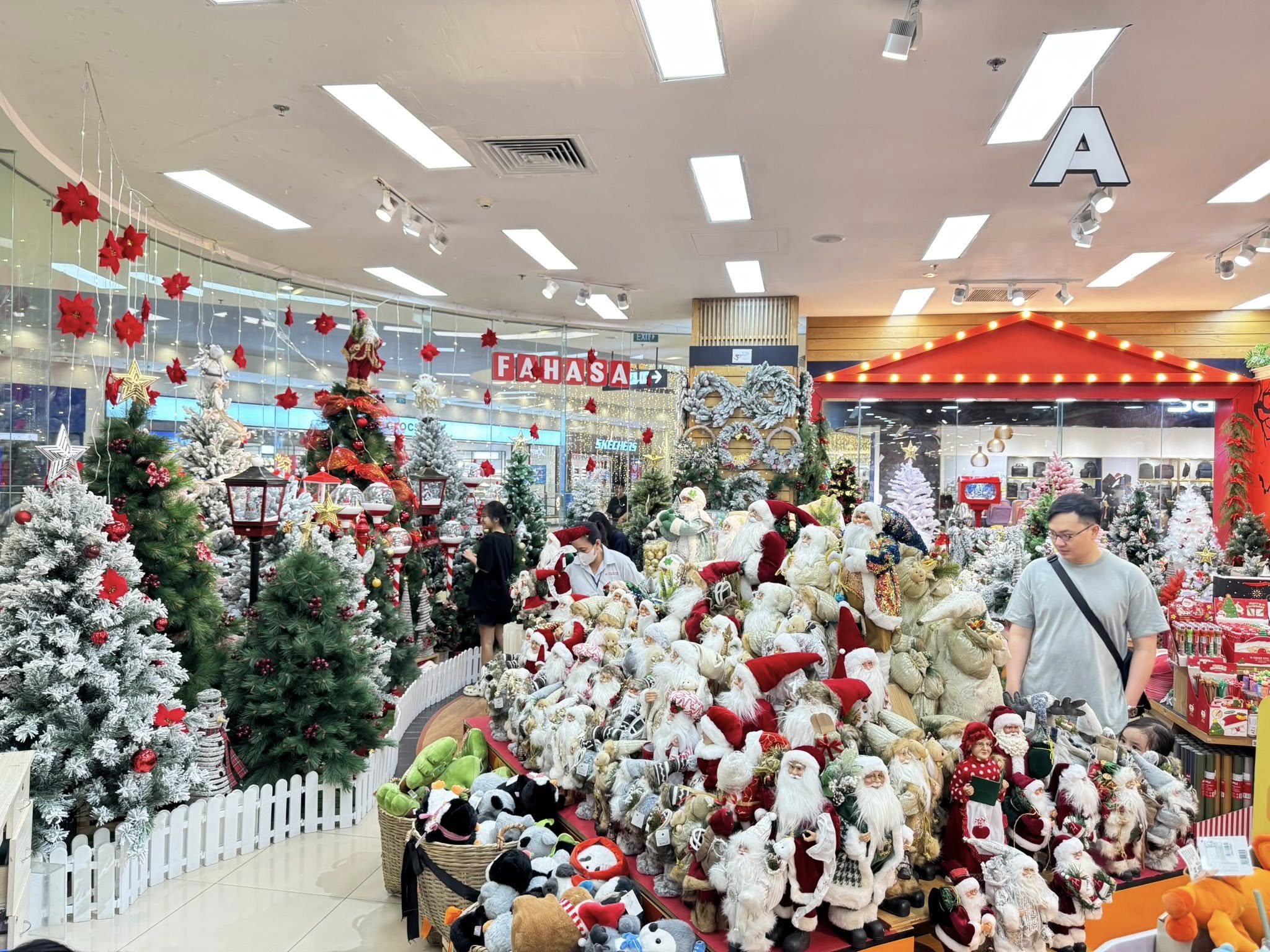
When Is Christmas in 2025?
In 2025, Christmas Eve falls on Wednesday, December 24, and Christmas Day on Thursday, December 25.
Even though it’s midweek, the festive spirit will still fill every city as people gather to take photos, pray for blessings, and enjoy the warmth of the holiday season.
Why Do People Decorate for Christmas?
Decorating for Christmas has become an essential part of the season. Some key reasons include:
- Creating a cozy, joyful space that captures the festive spirit.
- Symbolizing light, hope, and happiness, represented through trees, lights, and wreaths.
- Bringing families and communities together – many enjoy decorating and taking photos as a group.
- Enhancing customer experience – shops and malls (like FAHASA) decorate beautifully to attract visitors and spread festive cheer.
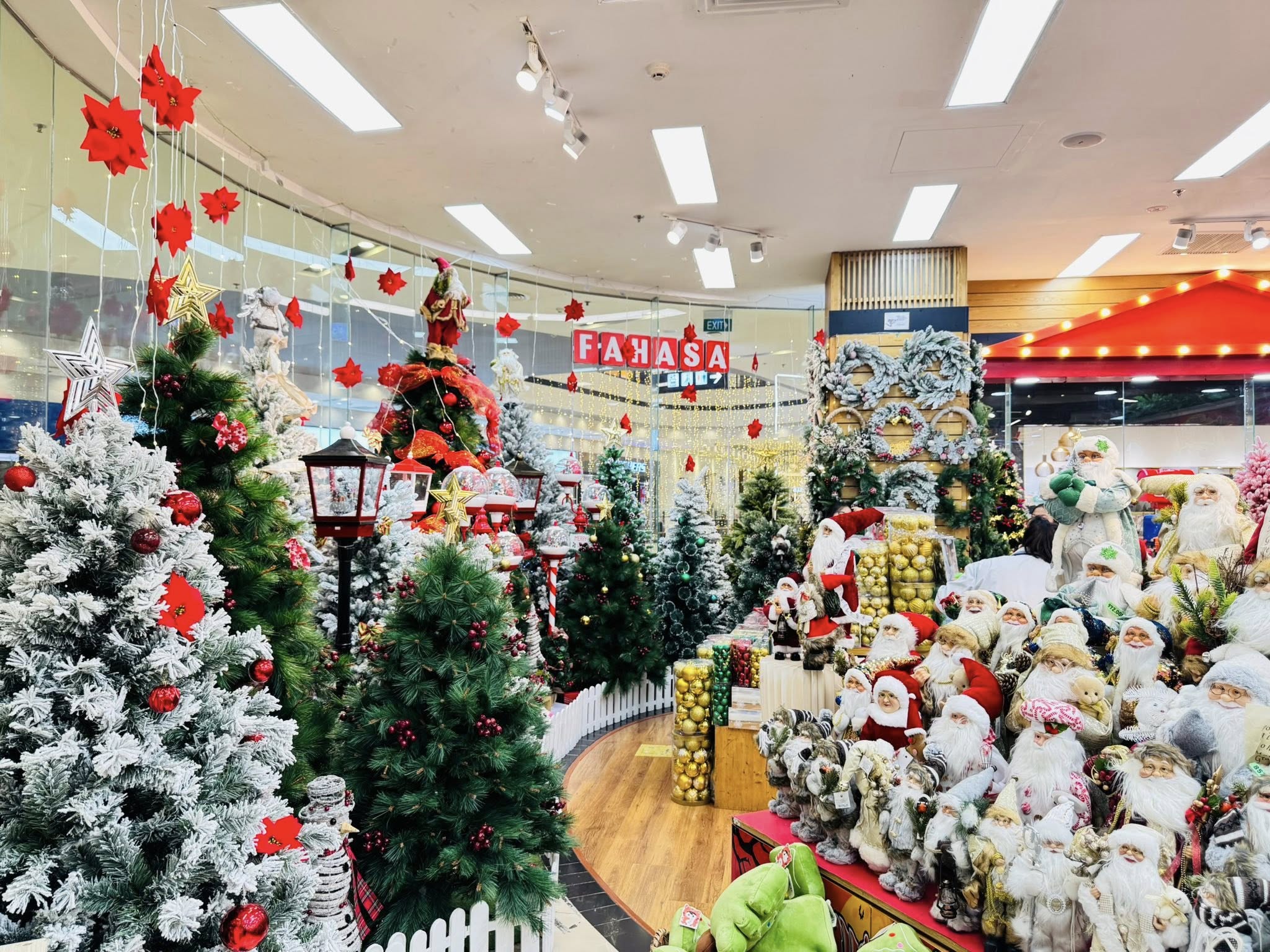
Popular Symbols of Christmas
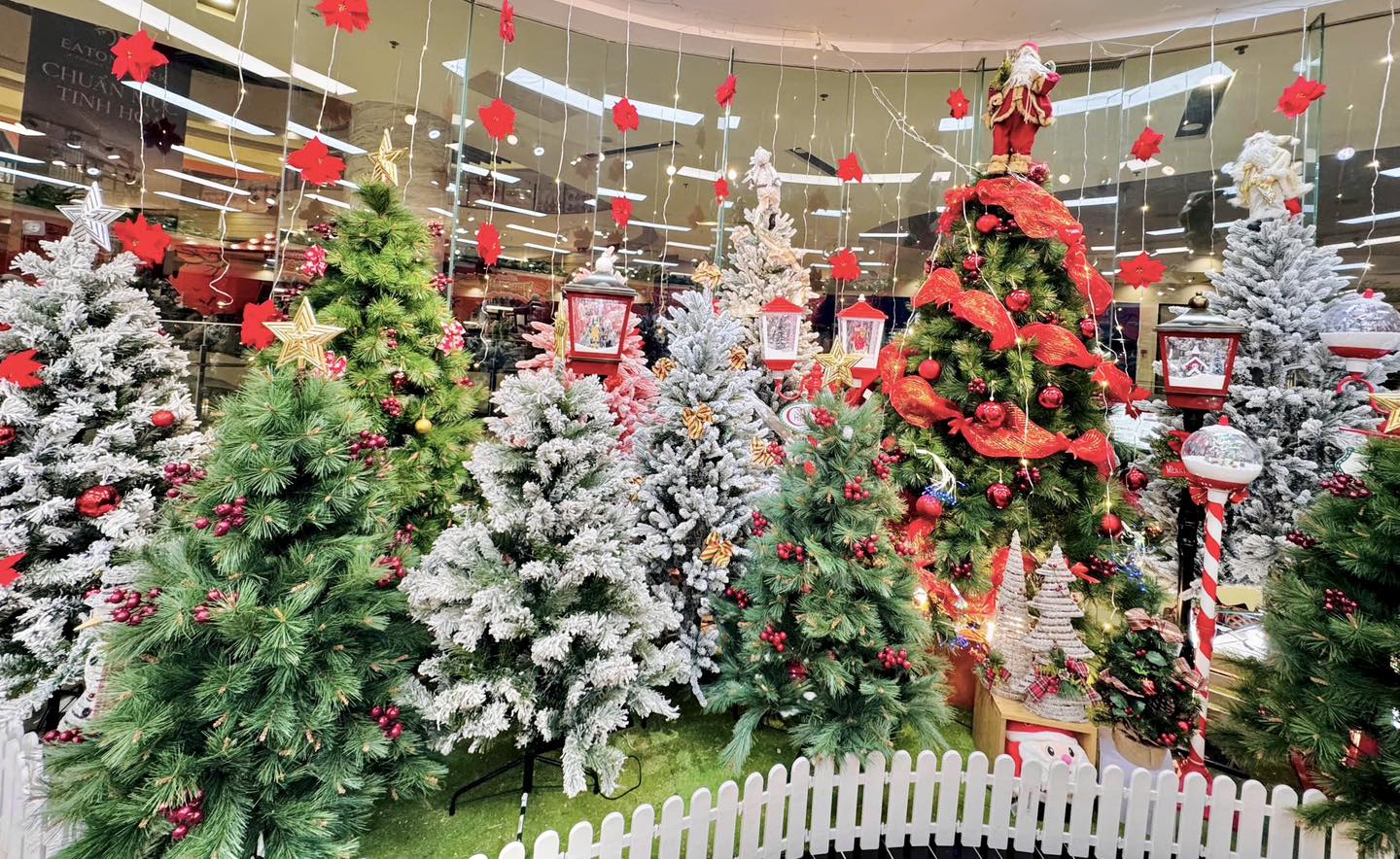
Christmas Tree
The evergreen Christmas tree symbolizes life, strength, and faith that endure even through winter’s cold. It represents resilience, hope, and renewal – reminding people of the enduring power of love and belief.
>> Buy a Christmas tree here now
>> Read more the article “Revealing the Top 12 Must-Have Christmas Decorations” here
Lights and Illumination
Christmas lights symbolize guidance and divine light. The twinkling decorations represent Jesus as the “light of the world,” bringing hope and dispelling darkness – and expressing wishes for a bright, happy new year.
Gifts and Christmas Stockings
Gift-giving is one of the most meaningful Christmas traditions, symbolizing love and sharing.
The image of stockings hanging by the fireplace comes from the legend of Saint Nicholas, a kind bishop who secretly left gifts for children. This tradition has since become a timeless symbol of generosity and care.
Santa Claus
Santa Claus embodies joy, generosity, and kindness. His familiar red suit, white beard, and gift bag inspire the belief in magic and happiness.
Though based on Saint Nicholas, Santa has become a universal symbol of holiday cheer and goodwill.
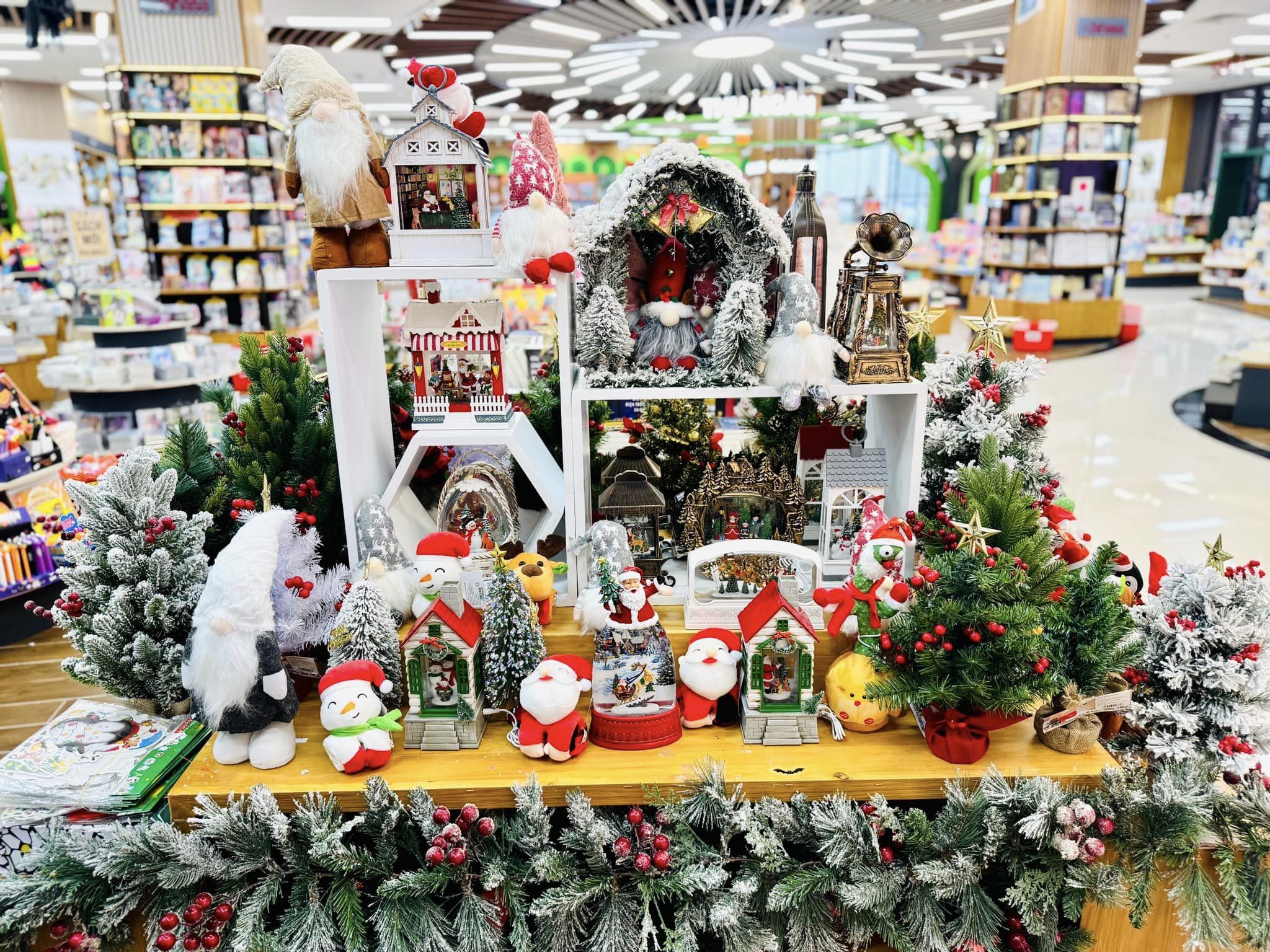
Nativity Scene
The nativity scene is the most sacred Christmas symbol, depicting the humble birth of Jesus in a manger, with Mary, Joseph, and angels. It reminds people of humility, peace, and compassion – the true spirit of Christmas.
The Traditional Colors of Christmas
The three main Christmas colors are red, green, and white:
- Red symbolizes love, sacrifice, and warmth.
- Green represents life, hope, and endurance – like the evergreen tree.
- White stands for purity, peace, and divine light.
Together, they create a bright and comforting festive atmosphere filled with faith and joy.
Common Christmas Activities
- During Christmas, people around the world engage in many joyful traditions:
- Attending church services to pray and give thanks.
- Gathering with family for special dinners, exchanging gifts, and sending warm wishes.
- Decorating homes, streets, and shops with lights, trees, and ornaments – perfect for photos and festive strolls.
- Enjoying Christmas music, movies, and events that bring people together.
Taking part in charity and volunteer activities, such as giving gifts to children and helping those in need – spreading love and humanity, the heart of Christmas.
Conclusion
Christmas is not just a cold season – it is the season of love, kindness, and hope. It’s a time to share joy, give meaningful gifts, and spread happiness to everyone around us.
For FAHASA, Christmas is the perfect time to find heartwarming books and lovely gifts for your loved ones – or even yourself.
FAHASA wishes you and your family a Merry Christmas filled with warmth, peace, and happiness!
Visit any FAHASA Bookstore or explore fahasa.com to discover the perfect Christmas gifts, cards, and books that share the message of love and joy.
FAHASA CORPORATION








Related posts
FAHASA and Cuu Long University Sign Cooperation Agreement, Expanding the Journey of Connecting Knowledge
Over the course of its 50-year journey of establishment and development, Ho Chi Minh City Book Distribution Corporation – FAHASA has not only affirmed its position as one of Vietnam’s leading book distributors, but has also continuously expanded its role as a bridge of knowledge, connecting publishers, educational institutions, businesses, and communities through initiatives in education, reading culture development, and human resource development. On September 10, 2026, at Cuu Long University, FAHASA and Cuu Long University officially signed a Memorandum of Understanding (MOU), marking a new milestone in university–business cooperation and opening up a wide range of practical collaborative opportunities...
Celebrating the 50th Anniversary of FAHASA (August 6, 1976 – August 6, 2026)
On August 6, 2026, the 50th Anniversary Celebration of Ho Chi Minh City Book Distribution Corporation – FAHASA was solemnly held at Thiskyhall Convention Center, Sala (10 Mai Chi Tho Street, An Khanh Ward, Ho Chi Minh City), marking a significant milestone of half a century of establishment, growth, and development. Over the past 50 years, FAHASA has steadily expanded its operations, becoming one of Vietnam’s leading enterprises in the distribution of books and cultural products. The achievements FAHASA celebrates today are the result of the sound leadership and strategic direction of the Company’s Board of Management, together with the...
FAHASA Celebrates Its 50th Anniversary, Reaffirming Its Mission of ‘Serving the Community – Spreading Knowledge’
On the morning of August 6, Ho Chi Minh City Book Distribution Corporation (FAHASA) held a ceremony to celebrate its 50th anniversary (August 6, 1976 – August 6, 2026) and receive the First-Class Labor Order. This significant milestone marks half a century of promoting knowledge and supporting the development of reading culture by one of Vietnam’s leading book distribution brands. The ceremony was attended by former State President Truong Tan Sang; former Vice State President Dang Thi Ngoc Thinh; Van Thi Bach Tuyet, Deputy Secretary of the Ho Chi Minh City Party Committee; Nguyen Manh Cuong, Vice Chairman of the...