


The Mid-Autumn Festival has changed significantly over the years, from lanterns and toys to festive food displays and the ways children celebrate the full-moon night. From the neighborhood lantern parades of the past to today’s modern Mid-Autumn events, each generation has its own unique childhood memories. So, what has changed, and which beautiful traditions of the Mid-Autumn Festival are still being preserved?
The Mid-Autumn Festival of the Past in the Memories of Generations
In the past, the Mid-Autumn Festival was closely associated with handmade toys, simple festive food displays, and activities held within local neighborhoods. Children did not simply wait to receive gifts; they also took part in preparing for the full-moon celebration with their families.
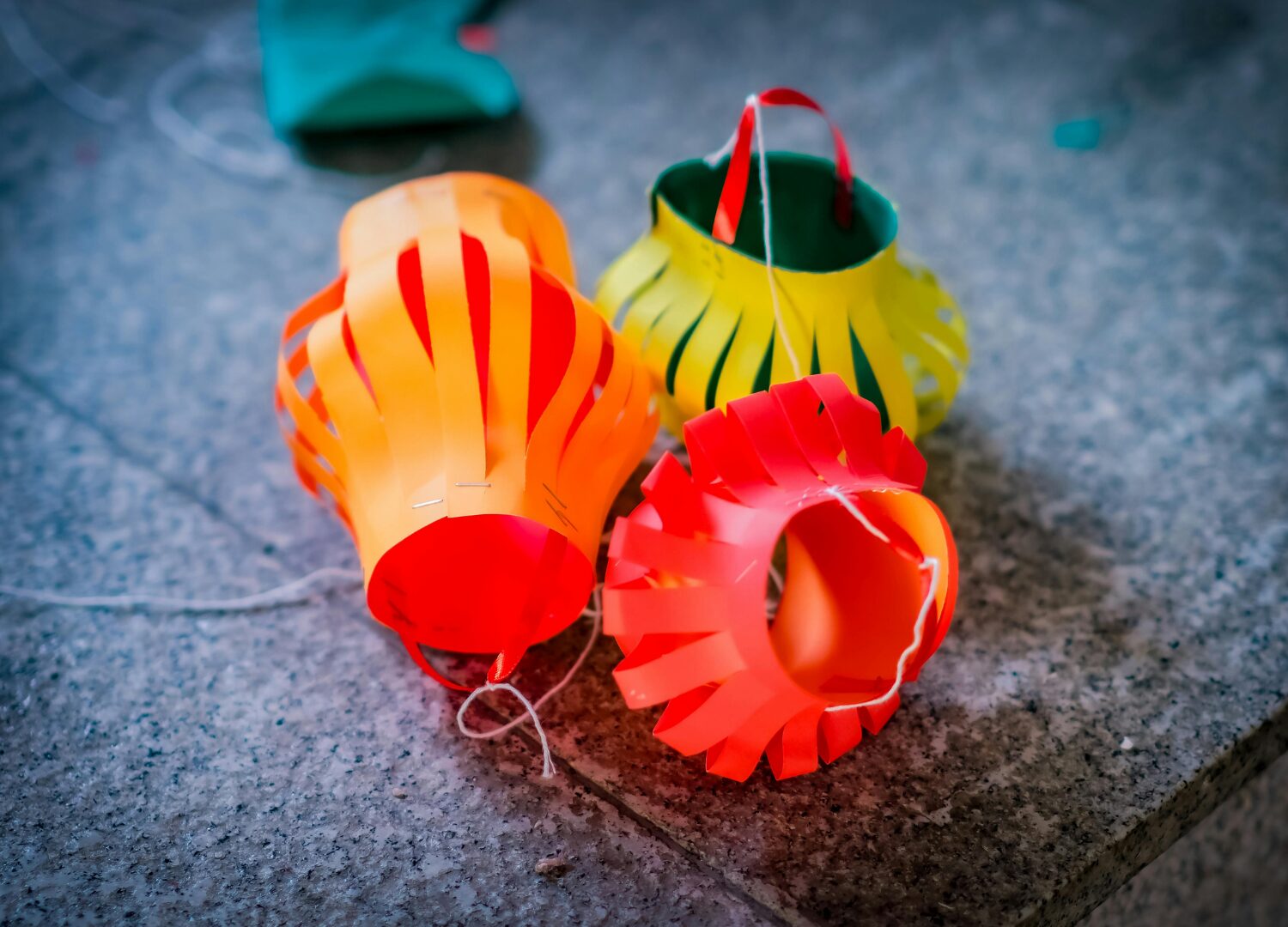
Handmade paper lanterns and simple yet heartwarming festive treats: Children used to play with star-shaped lanterns, revolving lanterns, and carp-shaped lanterns made from bamboo and paper, traditionally illuminated by candles. Many families made their own lanterns, with children helping to cut, glue, and decorate them before taking them outside for the evening festivities.
Mid-Autumn Festival food was relatively simple, typically consisting of baked mooncakes, sticky-rice mooncakes, and seasonal fruits such as pomelo, bananas, persimmons, and custard apples. What made these traditions special was that the whole family often took part in preparing everything, from the lanterns to the festive food display.
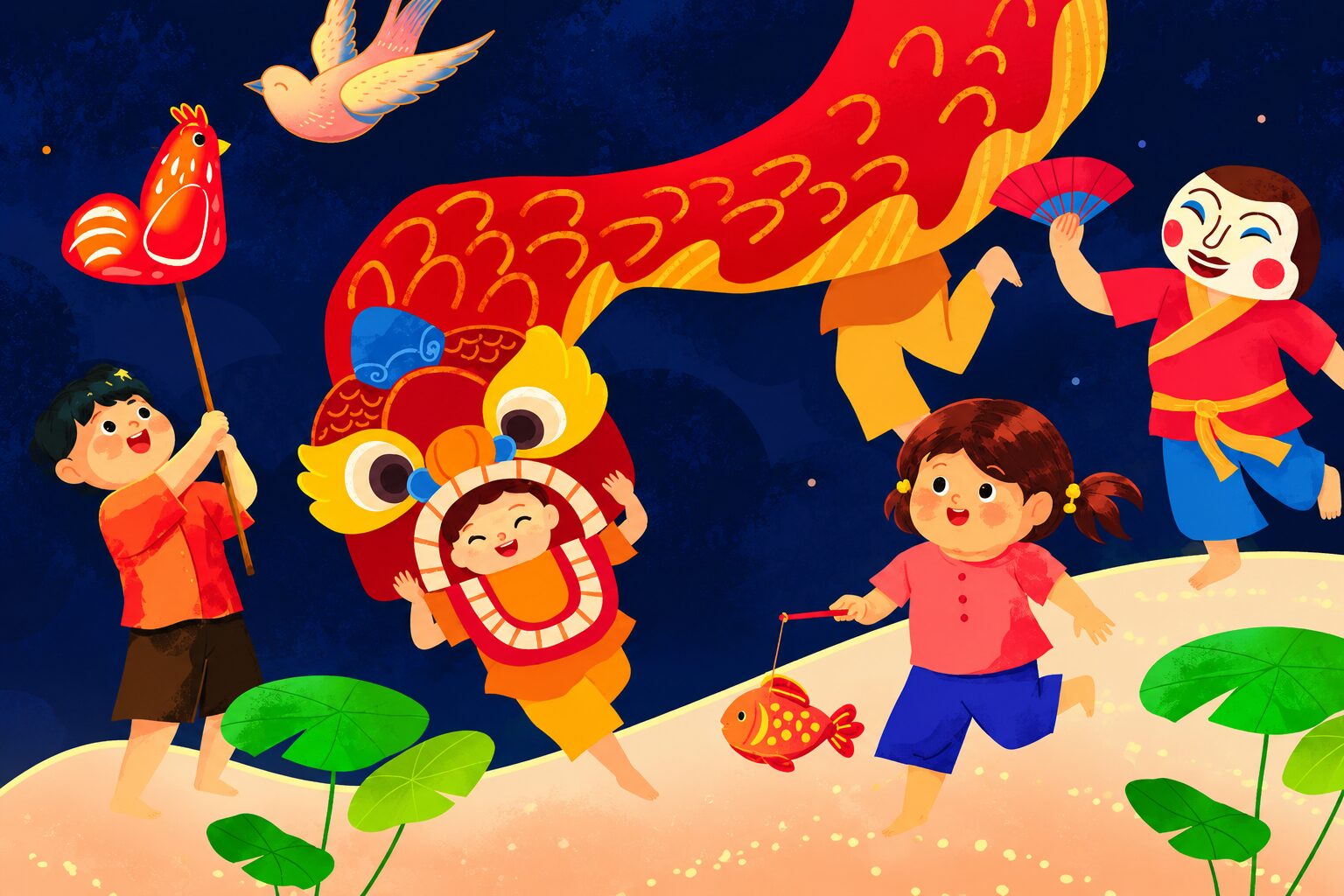
Folk games and neighborhood lantern parades: On the full-moon night, children would gather with their lanterns in front yards, at the entrance to their neighborhood, or in communal courtyards. Together, they would join lantern parades, watch lion dances, and play traditional folk games.
The Mid-Autumn Festival of the past was therefore deeply connected with family, neighbors, and the local community. Neighborhood streets, communal courtyards, and shared open spaces became familiar playgrounds where children celebrated and created lasting childhood memories.
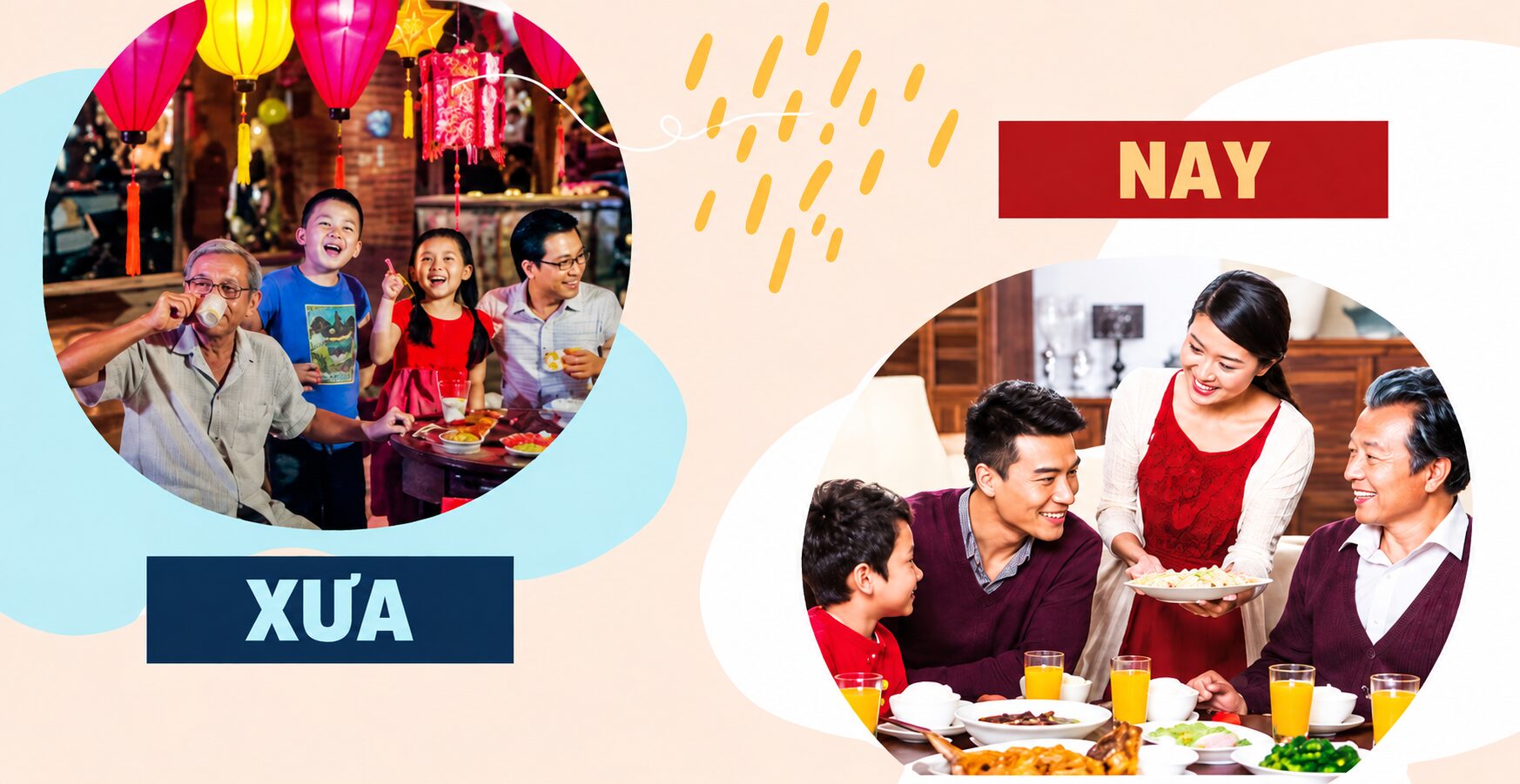
How Are the Mid-Autumn Festivals of the Past and Present Different?
From lanterns and toys to festive food displays and the way celebrations are organized, the Mid-Autumn Festival has evolved over time. The most noticeable differences can be summarized as follows:
Mid-Autumn Festival in the Past
- Lanterns: Star-shaped lanterns, revolving lanterns, and carp-shaped lanterns made from bamboo and paper, usually lit with candles.
- Toys: Papier-mâché masks, tò he (traditional dough figurines), small drums, lion dance heads, and other handmade toys.
- Activities: Neighborhood lantern parades, lion dance performances, and traditional folk games.
- Festive food: Baked mooncakes, sticky-rice mooncakes, and seasonal fruits.
- Celebrations: Families and neighbors prepared for the festival together, with children actively taking part.
- Gifts: Mooncakes were mainly enjoyed within the family or given to relatives.
Modern Mid-Autumn Festival
- Lanterns: In addition to traditional designs, there are now LED and battery-powered lanterns that play music, as well as lanterns featuring popular cartoon characters.
- Toys: A wider variety of designs is available, with many ready-made products that can be easily purchased.
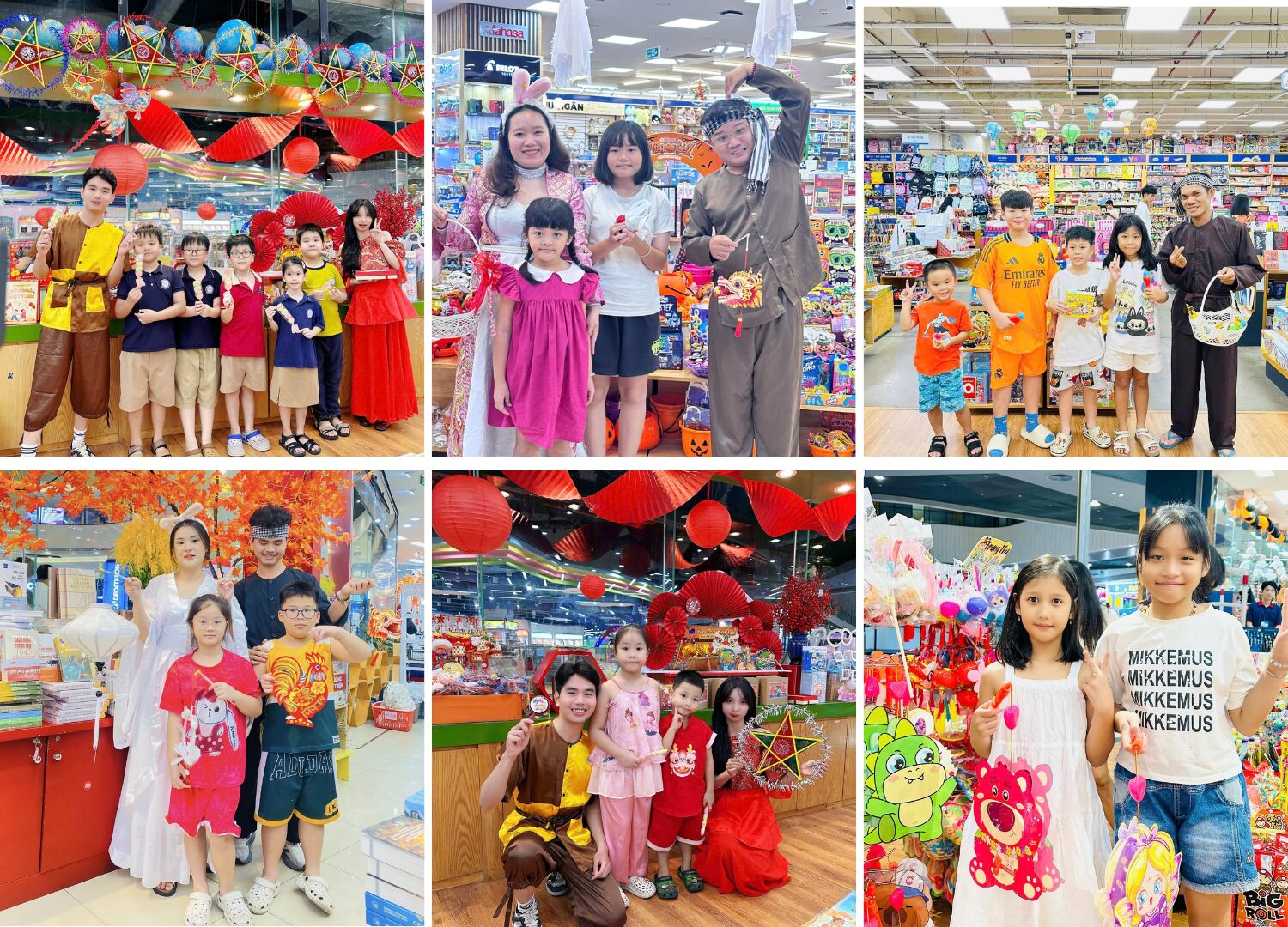
- Activities: Celebrations now also take place at schools, bookstores, entertainment venues, and shopping malls.
- Festive food: A greater variety of mooncakes, fruits, and decorative arrangements is available.
- Celebrations: Many events feature stages, performances, games, and interactive activity zones.
- Gifts: Mooncakes are also widely given as gifts to employees, customers, and business partners.
Overall, the biggest changes in the Mid-Autumn Festival can be seen in the toys, preparation methods, and celebration venues. However, familiar traditions such as lanterns, lion dances, and sharing the Mid-Autumn feast continue to be an important part of modern celebrations.
What Remains: The Mid-Autumn Festival Is a Time for Family Reunion
Although the way people celebrate the Mid-Autumn Festival has changed over the years, its spirit of family reunion remains. It is still an occasion for families to gather, enjoy mooncakes, admire the full moon, share the festive feast, and spend quality time together. This emphasis on togetherness is why the Mid-Autumn Festival is also known as the Festival of Reunion. The way each generation celebrates may change, but spending time with family remains a meaningful part of the full-moon festival on the 15th day of the eighth lunar month.
How to Preserve Traditional Mid-Autumn Customs for Children Today
Parents can combine traditional and modern Mid-Autumn activities in simple ways, allowing children to have fun while learning more about the cultural significance of the festival.
- Make lanterns together: Instead of only buying ready-made lanterns, parents can make traditional star-shaped or paper lanterns with their children, letting them cut, glue, decorate, and create their own designs.
- Prepare the festive food display together: Children can help arrange fruit, decorate the Mid-Autumn feast, and enjoy it with the whole family. This is a simple way for them to actively participate in the celebration.
- Read books and share Mid-Autumn legends: Parents can tell children stories about Cuội, the Moon Lady (Chị Hằng), Mid-Autumn legends, and traditions such as lantern parades and lion dances to help them better understand Vietnamese culture.
- Let children experience lantern parades: Encourage children to carry lanterns, watch lion dances, play traditional folk games, and celebrate with friends. These hands-on experiences can make traditional Mid-Autumn customs more engaging and meaningful for children.
FAQ – Frequently Asked Questions About the Mid-Autumn Festival: Then and Now
How is the Mid-Autumn Festival different today compared with the past?
The main differences can be seen in lanterns, toys, festive food displays, and the way celebrations are organized. In the past, handmade toys and neighborhood activities were more common. Today, children have access to modern toys and can participate in larger organized events.
What activities were traditionally associated with the Mid-Autumn Festival?
Common activities included making lanterns, joining lantern parades, watching lion dances, playing traditional folk games, preparing festive food displays, and sharing the Mid-Autumn feast.
Why is the Mid-Autumn Festival called the Festival of Reunion?
It is a time when family members traditionally gather to enjoy mooncakes, admire the full moon, share the festive feast, and spend time together.
How can parents help children learn more about traditional Mid-Autumn customs?
Parents can make star-shaped lanterns with their children, prepare the festive food display together, read Mid-Autumn stories and legends, watch lion dances, and participate in lantern parades.
Where can I buy Mid-Autumn decorations from a trusted retailer?
Mid-Autumn gifts and decorations are available at FAHASA bookstores nationwide or online through the FAHASA website and app.
Should I choose traditional or modern https://www.fahasa.comtgpt.comMid-Autumn decorations?
You can combine both. Traditional star-shaped lanterns, lion dance heads, and carp lanterns help preserve the festival’s cultural character, while LED lanterns, backdrops, and modern accessories can make the celebration more colorful and lively.
Conclusion
The Mid-Autumn Festival of the past and present differs in its lanterns, toys, festive food displays, and ways of celebrating. Yet cherished traditions such as lantern parades, sharing the festive feast, and family reunions continue to be preserved. Amid modern lifestyles, giving children opportunities to experience these traditions is also a meaningful way to pass the cultural values of the Mid-Autumn Festival from one generation to the next.








Related posts
What to Give on October 20? Vietnamese Women’s Day Gift Ideas at FAHASA 2026
Vietnamese Women’s Day on October 20 is a special occasion to send heartfelt wishes and meaningful gifts to mothers, wives, girlfriends, teachers, colleagues, and the women you cherish. If you’re still wondering what to give on October 20, explore the gift ideas available at FAHASA below to easily find the perfect present for your loved ones. Why Choose FAHASA for October 20 Gifts? Convenient Shopping Online and In-Store: If you prefer to see products in person before making a purchase, you can visit one of FAHASA’s 150 bookstores nationwide. If shopping in-store isn’t convenient, you can browse and order products...
30+ Meaningful and Unique October 20 Gift Ideas That Women Will Love
Wondering what to give on October 20 that is both meaningful and suitable for the recipient? If you’re still unsure what to buy for Vietnamese Women’s Day, these 30+ gift ideas from FAHASA will help you easily find the perfect present for your mom, wife, girlfriend, colleagues, or teachers. How to Choose Meaningful October 20 Gifts When buying gifts for October 20, the price isn’t the only factor that determines how meaningful a present is. A gift that reflects the recipient’s interests, needs, and your relationship with them often brings more joy and appreciation than an expensive item that lacks...
What Gift Should You Buy for October 20th? Top 8+ Meaningful Vietnamese Women’s Day Gifts from FAHASA
Vietnamese Women’s Day (October 20th) is a special occasion to express love and appreciation to mothers, teachers, colleagues, and close female friends. A thoughtful gift, no matter how small, can make the recipient feel truly cared for and loved. If you’re still wondering what to buy for your wife, mother, or girlfriend this October 20th, let FAHASA inspire you with our list of the most meaningful and practical Women’s Day gift ideas below! Top 8+ Gift Ideas for October 20th at FAHASA 1. Scented Candles – A Delicate Gift for Inner Peace If you’re looking for a small yet elegant...