



The Christmas tree is one of the most recognizable symbols of Christmas, commonly seen in homes, churches, and shopping malls during the holiday season. But what does the Christmas tree symbolize? Where did the tradition of decorating Christmas trees originate, and why has the Christmas tree become such an important symbol of this festive celebration? Join FAHASA as we explore the origins and significance of the Christmas tree in detail in the article below.
What Is a Christmas Tree?
A Christmas tree is a tree traditionally used as a decoration during the annual Christmas holiday. Traditionally, Christmas trees are evergreen conifers, such as pine, fir, or spruce trees, characterized by their cone-shaped appearance and ability to remain green throughout the year.
During Christmas, these trees are typically decorated with lights, ornaments, stars, bells, and tinsel to create a festive atmosphere.
Today, in addition to natural Christmas trees, artificial Christmas trees have become increasingly popular due to their wide range of sizes, ease of decoration, and ability to be reused for many years.
Why Did the Christmas Tree Become a Symbol of Christmas?
The Christmas tree became a symbol of Christmas primarily because of its evergreen nature, which represents life and hope during the winter season. In some Christian traditions, evergreen trees are also associated with eternal life and religious faith.
In addition, the tradition of decorating Christmas trees at home became increasingly popular across Europe, particularly during the 19th century. Christmas trees adorned with candles, ornaments, and gifts gradually became a familiar and cherished part of Christmas celebrations.
Where Did the Christmas Tree Tradition Originate?
The origin of the Christmas tree can be traced back to ancient European customs of using evergreen trees during the winter season. Since ancient times, trees that remain green throughout the year have been regarded as symbols of life and hope, as they continue to thrive even in the coldest weather.
Around the 16th century, the tradition of decorating Christmas trees began to gain popularity in German-speaking regions. Initially, people decorated their Christmas trees with fruits, sweets, and candles to celebrate the holiday season.
By the 19th century, this tradition had gradually spread to many European countries and other parts of the world. Today, the Christmas tree is not only associated with Christian traditions but has also become a widely recognized symbol of the Christmas season.
In Vietnam, Christmas trees decorated with sparkling lights, colorful ornaments, and small gifts have become an essential part of the festive atmosphere during the year-end holiday season.
The Meaning of the Christmas Tree During Christmas
The Christmas tree is closely associated with life, hope, peace, and love. In Christmas traditions, the tree is more than just a festive decoration. It carries various symbolic meanings, representing positive wishes and blessings during the holiday season.
A Symbol of Life and Hope
The Christmas tree symbolizes enduring life because of its ability to remain green throughout the year, even during the cold winter months. Therefore, when people ask what does the Christmas tree symbolize, it is often associated with vitality, resilience, hope, and new beginnings.
A Symbol of Peace and Happiness
During Christmas, the green color of the Christmas tree is considered a symbol of peace and hope. The meaning of the Christmas tree also reflects wishes for a happy, fortunate, and fulfilling life, bringing blessings and good fortune to family members and loved ones.
A Symbol of Love and Family Togetherness
The Christmas tree also represents love, unity, and family togetherness. Activities such as decorating the Christmas tree, exchanging Christmas gifts, and gathering with loved ones help strengthen family bonds while promoting the spirit of sharing and giving during the holiday season.
The Meaning of Christmas Tree Decorations
Not only does the Christmas tree itself carry symbolic significance, but its decorations also hold special meanings in Christmas traditions. Each ornament adds to the tree's festive beauty while conveying its own unique message.
- Star on Top of the Christmas Tree: Represents the Star of Bethlehem from the story of the birth of Jesus Christ, symbolizing light and guidance.
- Christmas Lights: Symbolize light, faith, hope, and warmth during the Christmas season.
- Christmas Baubles: Often associated with joy, abundance, prosperity, and good fortune.
- Christmas Bells: Represent the festive spirit, joy, and wishes for peace and happiness.
- Gifts Under the Christmas Tree: Express love, care, generosity, and the spirit of sharing among family members and friends.
- Tinsel and Ribbons: Serve as decorative elements that enhance the tree's sparkling appearance and create a cheerful, festive atmosphere.
Where to Buy Beautiful, High-Quality Christmas Trees?
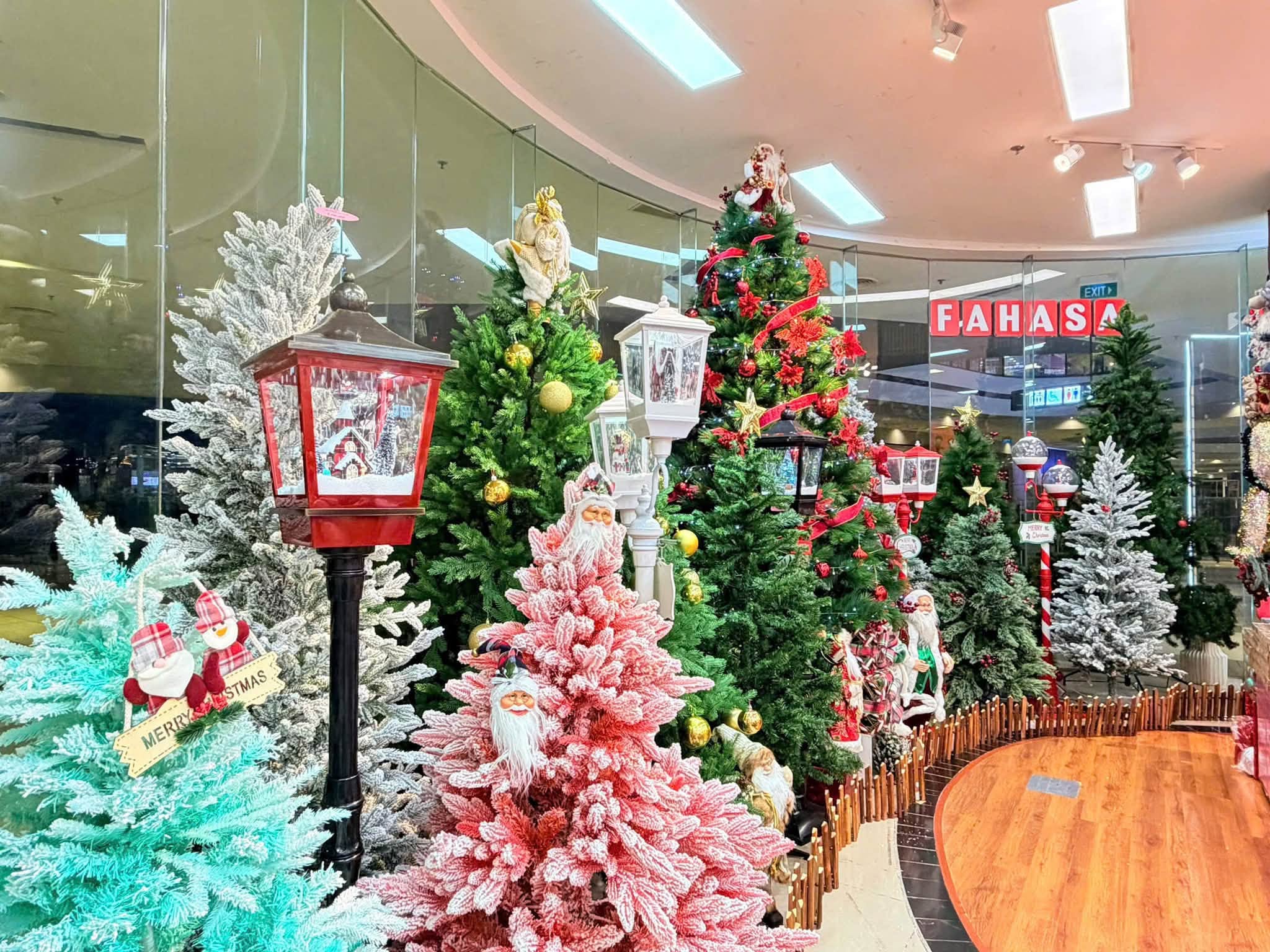
If you are looking for a place to buy beautiful, high-quality Christmas trees to prepare for the holiday season, you can visit FAHASA Bookstores or shop conveniently through the FAHASA website and mobile app at fahasa.com.
FAQ – Frequently Asked Questions About Christmas Trees
Why Do People Decorate Christmas Trees During Christmas?
The tradition of decorating Christmas trees originated in Europe, where evergreen trees were regarded as symbols of life and hope during the winter season. Over time, this tradition became increasingly popular and developed into an essential part of Christmas celebrations.
What Does the Christmas Tree Symbolize in Christianity?
In some Christian traditions, the Christmas tree symbolizes eternal life, faith, and hope. The decorative lights on the tree are also commonly associated with light and the message of peace that Christmas represents.
Why Do Christmas Trees Stay Green All Year Round?
Traditional Christmas trees are typically evergreen conifers that retain their green foliage throughout the year, even during the cold winter months. For this reason, the green color of the Christmas tree is considered a symbol of enduring life, resilience, and hope.
Why Are Christmas Trees Triangular in Shape?
Christmas trees typically have a conical shape, which resembles a triangle when viewed from the front. This shape results from the natural growth patterns of many evergreen conifer species. In some Christian interpretations, the triangular shape is also associated with the Holy Trinity.
What Does the Star on Top of a Christmas Tree Symbolize?
The star placed on top of a Christmas tree represents the Star of Bethlehem from the biblical story of the birth of Jesus Christ. It also symbolizes light, guidance, faith, and hope during the Christmas season.
Why Do People Put Presents Under the Christmas Tree?
Placing presents under the Christmas tree is closely connected to the tradition of exchanging Christmas gifts. These gifts express love, care, generosity, and the spirit of sharing among family members and friends.
Are Christmas Trees Always Real Trees?
Not necessarily. Christmas trees can be natural trees, including pine, fir, or spruce species. Today, artificial Christmas trees are also widely used because they are easy to decorate, store, and reuse for multiple holiday seasons.
When Should You Put Up and Take Down a Christmas Tree?
Many families begin decorating their Christmas trees in late November or early December. Christmas trees are typically taken down after Christmas Day, around New Year's Day, or following Epiphany on January 6, depending on family traditions and personal preferences.
The meaning of the Christmas tree goes far beyond its decorative beauty. It symbolizes life, hope, peace, and love. Over the centuries, the Christmas tree has become one of the most recognizable symbols of the holiday season, representing family togetherness, the spirit of giving, and heartfelt wishes for happiness and prosperity.








Related posts
Top Christmas Decorations for 2026: Beautiful, Easy to Choose, and Affordable
Christmas is just around the corner! Have you started preparing to decorate your space for the festive season? From mini Christmas trees and tinsel garlands to LED string lights and charming accessories, Christmas decorations for 2026 will make your space feel warmer, brighter, and more festive. Join FAHASA as we explore beautiful, affordable, and easy-to-choose Christmas decorations for the upcoming holiday season. Top Christmas Decorations for the 2026 Holiday Season Creating a festive Christmas atmosphere doesn’t have to be complicated. All you need is the right decorations to bring warmth and holiday cheer to your space. Mini Christmas Trees for...
When Is Christmas 2026? What Day of the Week Is It, and How Many Days Are Left Until Christmas?
Christmas is one of the most anticipated holidays of the year, bringing a warm, joyful atmosphere and meaningful moments of togetherness. So, when is Christmas 2026, and what day of the week does it fall on? When is Christmas Eve, and how many days are left until Christmas 2026? Join FAHASA as we explore all the details in the article below. What Is Christmas? The Origin of Christmas Christmas, also known as Noel, is an important Christian holiday celebrated to commemorate the birth of Jesus Christ. According to Christian tradition, Jesus was born in Bethlehem. December 25 is observed as...
What to Give on October 20? Vietnamese Women’s Day Gift Ideas at FAHASA 2026
Vietnamese Women’s Day on October 20 is a special occasion to send heartfelt wishes and meaningful gifts to mothers, wives, girlfriends, teachers, colleagues, and the women you cherish. If you’re still wondering what to give on October 20, explore the gift ideas available at FAHASA below to easily find the perfect present for your loved ones. Why Choose FAHASA for October 20 Gifts? Convenient Shopping Online and In-Store: If you prefer to see products in person before making a purchase, you can visit one of FAHASA’s 150 bookstores nationwide. If shopping in-store isn’t convenient, you can browse and order products...