


Choosing the right decorative style is a key factor in creating a warm, complete Tet atmosphere in any space. As 2026 approaches, Tet decoration trends are no longer about excessive ornamentation; they focus on harmony between familiar traditional elements and modern styles, prioritizing neatness and ease of application while preserving the spirit of conventional Tet.
Join FAHASA in reviewing beautiful, easy-to-apply Tet decoration styles for 2026, suitable for homes, apartments, shops, and office spaces.
Traditional Tet Decoration Style
Key Characteristics and Dominant Colors
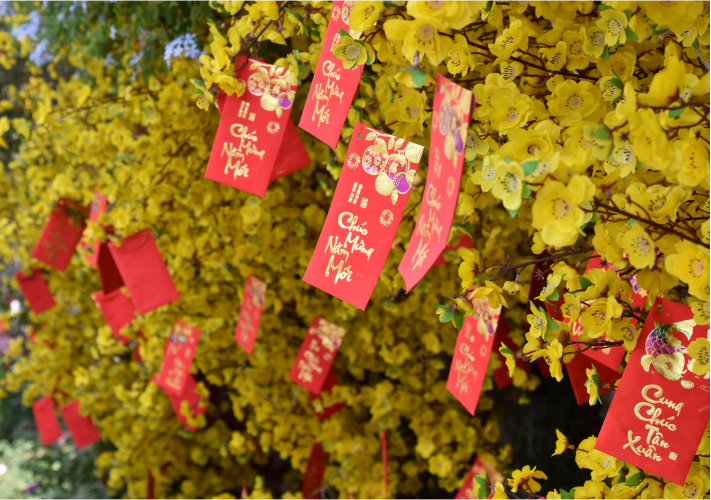
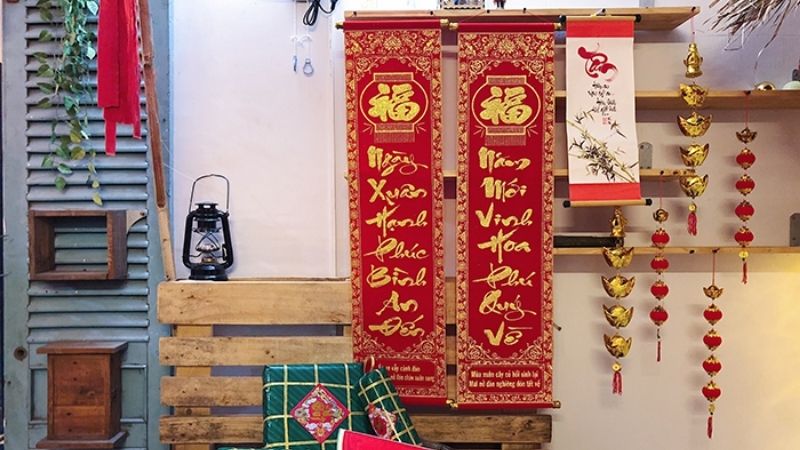
The traditional Tet decoration style is characterized by familiar images such as apricot and peach blossoms, red couplets, five-fruit trays, and lanterns. The two dominant colors-red and yellow-symbolize luck, prosperity, and family togetherness during the early days of the New Year.
In 2026, the traditional style retains its core spirit but is expressed in a more refined and restrained way. Decorative elements are neatly arranged with harmonious color coordination, creating a space that feels both familiar and festive, yet dignified and comfortable.
When to Choose the Traditional Tet Decoration Style
The traditional style is well-suited for multi-generational families that value customs and rituals. Homes with large ancestral altars that require a sense of solemnity and warmth can easily adopt this style.
If you want to preserve the essence of traditional Tet and foster a sense of familiarity and closeness during the New Year, the traditional style is a safe and easy choice. When arranged thoughtfully, it is still a beautiful and simple Tet decoration approach, ideal for living rooms, and easy to combine with cost-saving decoration tips and various Tet décor ideas.
Modern, Minimalist Tet Decoration Style
Modern minimalist Tet decoration remains a popular choice in 2026, especially among young families and in contemporary living spaces.
This style focuses on:
- Using fewer decorative items, selecting only a few key accents
- Soft, easy-to-match color palettes such as deep red, light yellow, beige, or white
- Open, tidy spaces that avoid clutter
Thanks to its simplicity, the modern minimalist style allows for quick Tet decorating, easy post-holiday cleanup, and minimal preparation time.
Eco-Friendly Tet Decoration Style
Eco-friendly Tet decoration is gaining increasing attention in 2026 as green and sustainable lifestyles become more widespread. This approach offers Tet décor that is both visually appealing and meaningful in the long term.
This style prioritizes natural materials such as wood, bamboo, rattan, and paper; minimizes single-use plastic items; and encourages the reuse of decorative items across multiple Tet seasons. Dominant colors typically include natural tones such as wood brown, green, and light yellow, creating a gentle and relaxing atmosphere.
The eco style is ideal for families who appreciate subtle elegance, prefer simple, cost-effective decor, and value long-term sustainability.
Tet Decoration Style Combining Tradition and Modernity
This is the most popular style among families in 2026 due to its flexibility and suitability for various spaces.
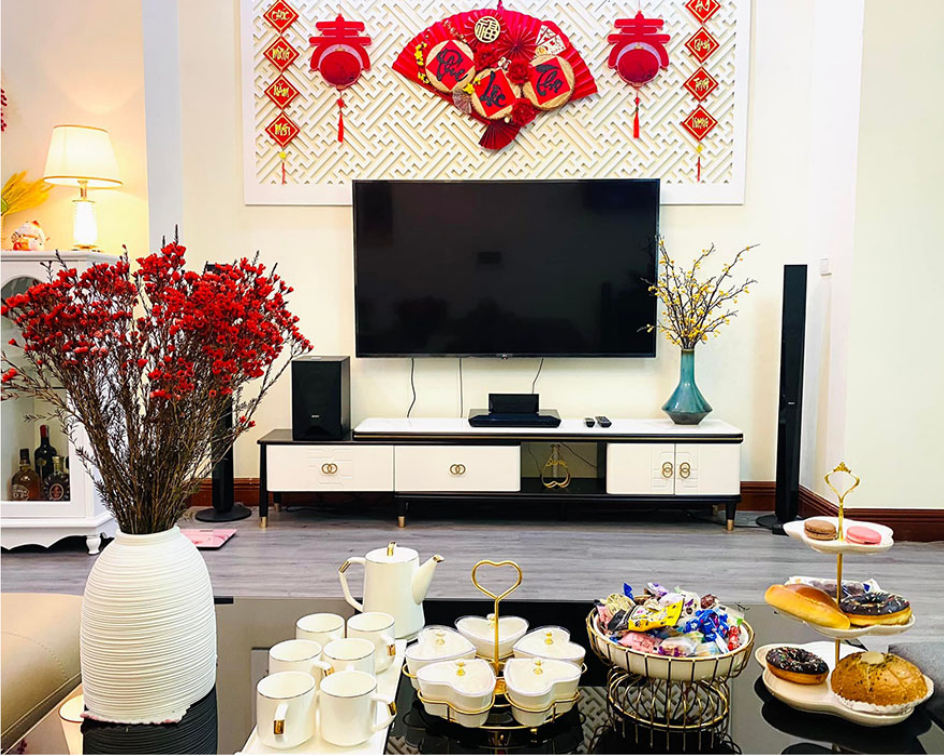
It retains familiar Tet symbols such as apricot blossoms, peach blossoms, and red couplets, while incorporating neat layouts, restrained color schemes, and modern accessories like LED lights, Tet decals, or minimalist décor items.
This balanced combination creates a clear Tet atmosphere while aligning with modern aesthetic preferences and avoiding clutter. It is an ideal choice for family homes, especially for decorating living rooms in townhouses or apartments.

How to Choose the Right Tet Decoration Style for Your Space
To ensure effective and practical decoration, consider the following factors:
- Space size: Smaller homes should prioritize minimalist or blended styles to create a more open feel.
- Household profile: Multi-generational families suit traditional or blended styles; young families may prefer modern minimalist or eco styles.
- Purpose of decoration: Homes should emphasize warmth, while shops and offices should align with brand identity.
- Time and budget: If you need a quick, neat, and cost-effective setup, minimalist or blended styles are easier to apply.

FAQ – Common Questions About Tet Decoration in 2026
When is the best time to start decorating for Tet?
Ideally, you should begin decorating about 2–3 weeks before Tet. This allows enough time for planning, shopping, and organizing the space without a last-minute rush.
Are there cost-effective ways to decorate for Tet?
Yes. You can reuse decorations from previous years, prioritize minimalist or eco styles, and focus on key areas such as the living room, altar, and entrance instead of decorating the entire house.
How should the living room be decorated to feel festive yet tidy?
Choose one main focal point, such as a vase of apricot or peach blossoms, a small decorative tray, wall art, or hanging couplets. Avoid overcrowding to keep the space open, especially important for apartments or small homes.
Which decoration style suits small homes or apartments?
Modern minimalist or blended traditional–modern styles work best, offering simple Tet décor while maintaining a warm spring atmosphere.
What Tet decoration ideas are easy for young families to apply?
Young families can consider light-colored palettes, LED lighting, Tet decals, handmade décor, or eco-friendly materials to create a fresh, modern look.
Where can I buy Tet decorations with diverse designs?
You can purchase Tet decorations at FAHASA bookstores nationwide or shop online via the FAHASA website/app fahasa.com for fast and convenient delivery, especially during the year-end peak season.
Conclusion
Tet decoration styles for 2026 offer flexible and practical options to suit different spaces and needs.
Whether you prefer traditional, modern minimalist, eco-friendly, or blended styles, the most crucial factor is choosing a decoration approach that keeps your space tidy, warm, and full of springtime spirit.






Related posts
FAHASA and Cuu Long University Sign Cooperation Agreement, Expanding the Journey of Connecting Knowledge
Over the course of its 50-year journey of establishment and development, Ho Chi Minh City Book Distribution Corporation – FAHASA has not only affirmed its position as one of Vietnam’s leading book distributors, but has also continuously expanded its role as a bridge of knowledge, connecting publishers, educational institutions, businesses, and communities through initiatives in education, reading culture development, and human resource development. On September 10, 2026, at Cuu Long University, FAHASA and Cuu Long University officially signed a Memorandum of Understanding (MOU), marking a new milestone in university–business cooperation and opening up a wide range of practical collaborative opportunities...
Celebrating the 50th Anniversary of FAHASA (August 6, 1976 – August 6, 2026)
On August 6, 2026, the 50th Anniversary Celebration of Ho Chi Minh City Book Distribution Corporation – FAHASA was solemnly held at Thiskyhall Convention Center, Sala (10 Mai Chi Tho Street, An Khanh Ward, Ho Chi Minh City), marking a significant milestone of half a century of establishment, growth, and development. Over the past 50 years, FAHASA has steadily expanded its operations, becoming one of Vietnam’s leading enterprises in the distribution of books and cultural products. The achievements FAHASA celebrates today are the result of the sound leadership and strategic direction of the Company’s Board of Management, together with the...
FAHASA Celebrates Its 50th Anniversary, Reaffirming Its Mission of ‘Serving the Community – Spreading Knowledge’
On the morning of August 6, Ho Chi Minh City Book Distribution Corporation (FAHASA) held a ceremony to celebrate its 50th anniversary (August 6, 1976 – August 6, 2026) and receive the First-Class Labor Order. This significant milestone marks half a century of promoting knowledge and supporting the development of reading culture by one of Vietnam’s leading book distribution brands. The ceremony was attended by former State President Truong Tan Sang; former Vice State President Dang Thi Ngoc Thinh; Van Thi Bach Tuyet, Deputy Secretary of the Ho Chi Minh City Party Committee; Nguyen Manh Cuong, Vice Chairman of the...