



After Valentine’s Day on February 14, many people are surprised to hear about White Day on March 14. Many wonder: What is White Day? Why is there another Valentine’s Day? And most importantly, who is supposed to give gifts on this day?
So, what exactly is White Day, where did it come from, and who gives gifts to whom on March 14? Let’s explore these questions with FAHASA in the article below.
What Is White Day (March 14)? The Meaning of March 14 in Love
White Day, celebrated on March 14, takes place exactly one month after Valentine’s Day. Many people ask what March 14 represents; in fact, it is a day for those who received gifts on February 14 to respond to the person who gave them a gift.
So, what is White Day? It is a day to express a response in love. A White Day gift such as white chocolate, sweets, or a greeting card is often given to show appreciation and affection for the other person.
For this reason, the meaning of White Day is not just about giving gifts, but also about confirming and continuing a relationship after Valentine’s Day.
The Meaning of White Day (March 14)
White Day carries a special meaning in romantic relationships. If Valentine’s Day on February 14 is the time to express love, then White Day is the moment to respond to that affection. Giving a gift on this day is not just a polite gesture, but also a way to show appreciation for the person who has expressed their feelings to you.
In many cases, a gift on March 14 is also seen as a sign that the relationship may move to a new stage. Sometimes it is just a small gift, but it can carry the message that the recipient shares the same feelings.
How Is White Day Understood in Vietnam?
In Vietnam, White Day does not follow strict traditions like it does in Japan. Many people simply see it as another opportunity to continue expressing love after Valentine’s Day on February 14. Therefore, there is no fixed rule about who should give gifts to whom.
Couples often exchange gifts with each other or spend time going on a date to celebrate the day. Sometimes, White Day is simply an occasion for couples to meet, talk, and create more beautiful memories together.
What Is the Difference Between White Day and Valentine’s Day (February 14)?
Although both celebrations are associated with love, Valentine’s Day (February 14) and White Day (March 14) have different meanings and ways of expressing affection.
Differences in Meaning
The biggest difference between the two lies in their purpose. Valentine’s Day is commonly seen as the time to confess love or express romantic feelings, when people give gifts or say “I love you” to someone special.
White Day, on the other hand, is often considered the response to that confession or gesture of love. It is a time for the recipient to reply to the feelings they received earlier.
Differences in Gift-Giving
Valentine’s Day is often associated with familiar gifts such as roses, chocolates, or love cards. The atmosphere of this day is usually more romantic and proactive.
In contrast, White Day tends to feel softer and more symbolic. Common gifts include white chocolate, candies, or small sweet presents. The special aspect of White Day is that the gift is often seen as a return gesture for the one received earlier.
What Should You Do on White Day? Date Ideas for March 14
White Day does not require elaborate plans to become memorable. Sometimes, a little attention and quality time together are enough to make March 14 meaningful.
5 Simple Date Ideas for White Day (March 14)
White Day can become memorable with simple activities such as:
- Taking a walk together to enjoy a peaceful atmosphere and spend time talking.
- Having coffee or milk tea at a favorite café and sharing everyday stories.
- Enjoying a romantic dinner at a small restaurant or preparing a simple meal together at home.
- Watching a movie together, either at the cinema or at home.
- Walking around the city and taking photos to capture memorable moments.
In the end, the most important thing about this day is not how grand the celebration is, but the time and care you share with each other.

Small Gift Ideas for White Day (March 14)
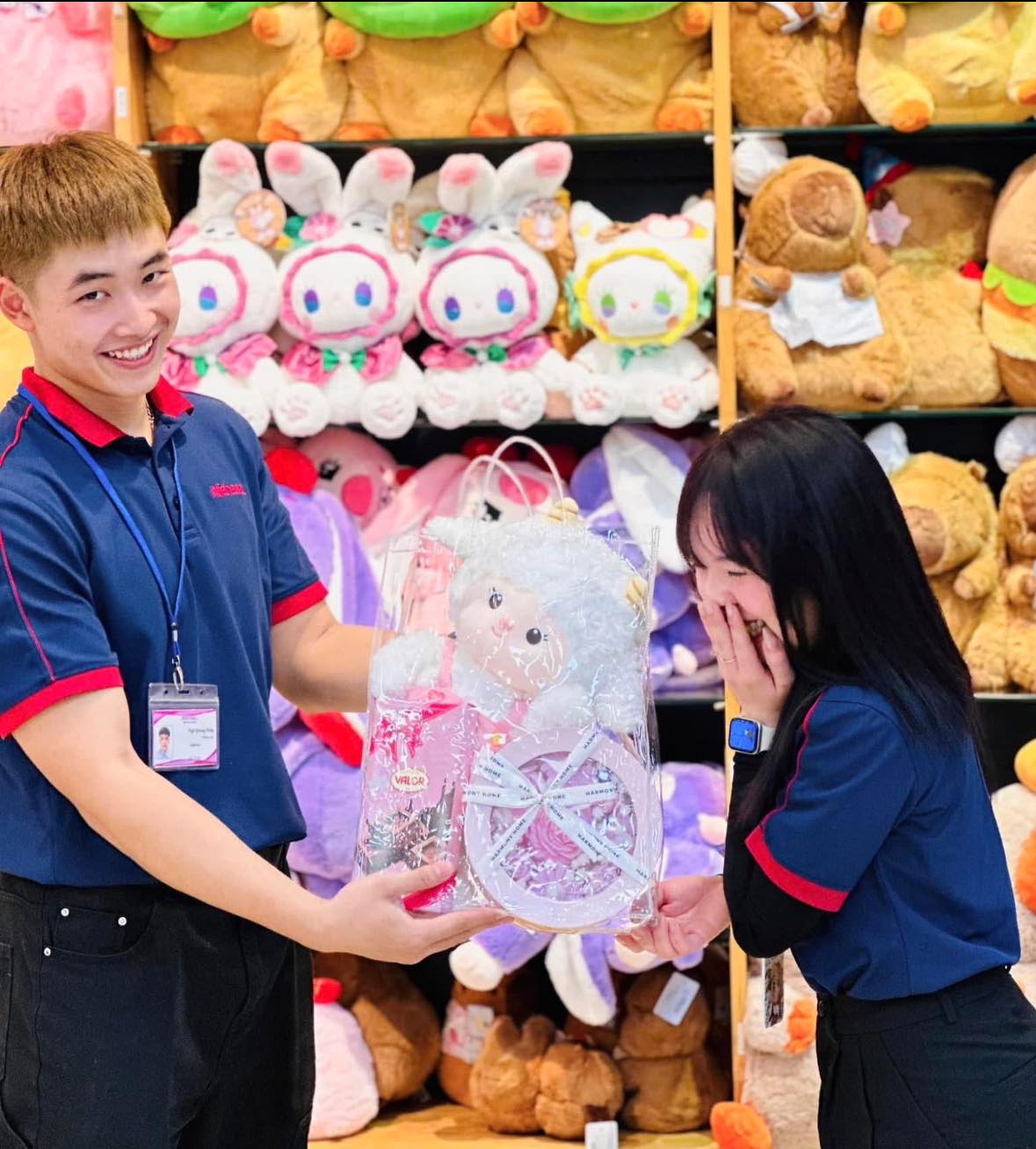
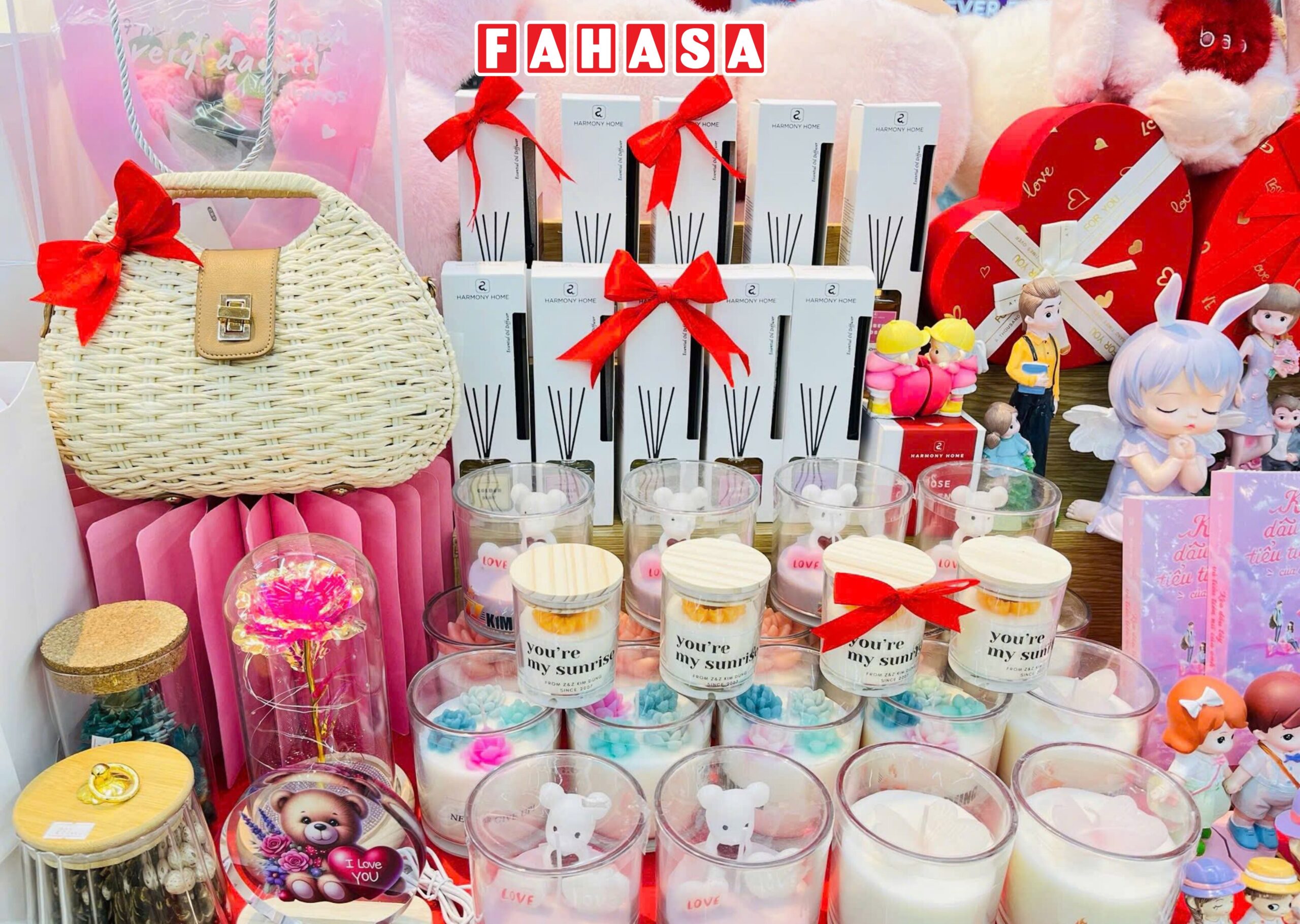
If you want to surprise someone special on White Day, a small gift can be a perfect choice. White chocolate, cakes, flowers, books, keychains, backpacks, scented candles, or other cute items can all become thoughtful ways to express your love and care.
Where to Buy White Day Gifts (March 14)?
If you are looking for a small gift to surprise someone you like on March 14, choosing the right place to buy the gift is also important.
You can explore a wide range of White Day gifts, greeting cards, and chocolates at FAHASA bookstores nationwide or order online at fahasa.com
FAHASA also offers beautifully wrapped White Day gift sets, helping you save time while choosing the perfect gift.
FAQ – Common Questions About White Day (March 14)
Do you have to give a gift on March 14?
There is no rule that requires giving gifts on White Day. It is simply an occasion to express your feelings, so whether you give a gift or not depends on each person and the nature of the relationship.
What if you forget White Day (March 14)?
If you accidentally forget White Day, you can make up for it with a surprise date or a small gift on another occasion. What matters most is sincerity and showing that you care.
Is White Day only for couples?
White Day is not only for couples. Single people can still enjoy the day in their own way, such as spending time with friends, treating themselves to a small gift, or simply enjoying the day happily.
Where can you buy White Day gifts (March 14)?
You can buy White Day gifts at FAHASA bookstores nationwide or order online through the fahasa.com website or app.
Conclusion
Whether it is a simple date, a heartfelt message, or a small gift, the most important thing is the care and affection you show for the person you love.
A thoughtfully prepared gift can make White Day more meaningful and memorable.






Related posts
Mid-Autumn Festival: Then and Now – How Has Childhood Changed?
The Mid-Autumn Festival has changed significantly over the years, from lanterns and toys to festive food displays and the ways children celebrate the full-moon night. From the neighborhood lantern parades of the past to today’s modern Mid-Autumn events, each generation has its own unique childhood memories. So, what has changed, and which beautiful traditions of the Mid-Autumn Festival are still being preserved? The Mid-Autumn Festival of the Past in the Memories of Generations In the past, the Mid-Autumn Festival was closely associated with handmade toys, simple festive food displays, and activities held within local neighborhoods. Children did not simply wait...
FAHASA and Cuu Long University Sign Cooperation Agreement, Expanding the Journey of Connecting Knowledge
Over the course of its 50-year journey of establishment and development, Ho Chi Minh City Book Distribution Corporation – FAHASA has not only affirmed its position as one of Vietnam’s leading book distributors, but has also continuously expanded its role as a bridge of knowledge, connecting publishers, educational institutions, businesses, and communities through initiatives in education, reading culture development, and human resource development. On September 10, 2026, at Cuu Long University, FAHASA and Cuu Long University officially signed a Memorandum of Understanding (MOU), marking a new milestone in university–business cooperation and opening up a wide range of practical collaborative opportunities...
Which Anti-Slouch Backpack Is Best for Primary School Students? Recommendations for Grades 1–5 Select 85 more words to run Humanizer.
As the new school year begins, a lightweight, well-fitting anti-hunchback backpack for primary school students that matches your child’s preferences can make them more excited about going to school every day. Especially for children preparing to enter Grade 1, parents often prioritize anti-hunchback backpacks for first graders that are appropriately sized, lightweight, and spacious enough to carry books and school supplies. Explore some of the standout primary school backpacks and ultra-lightweight backpacks for kids available at FAHASA to find the right choice for your child. Top Ultra-Lightweight Anti-Hunchback Backpacks for Primary School Students Students in Grades 1–5 typically carry textbooks,...