

New year approaches. Not only does it beautify the home, but Tet decoration also carries spiritual meaning, feng shui symbolism, and long-standing traditions.
To better understand why Vietnamese people place great importance on decorating their homes for Tet, let’s explore what Tet Decoration is, its meaning and origin, and the role this activity plays in the spiritual life of Vietnamese families.
The Concept of Tet Decoration in Vietnamese Culture
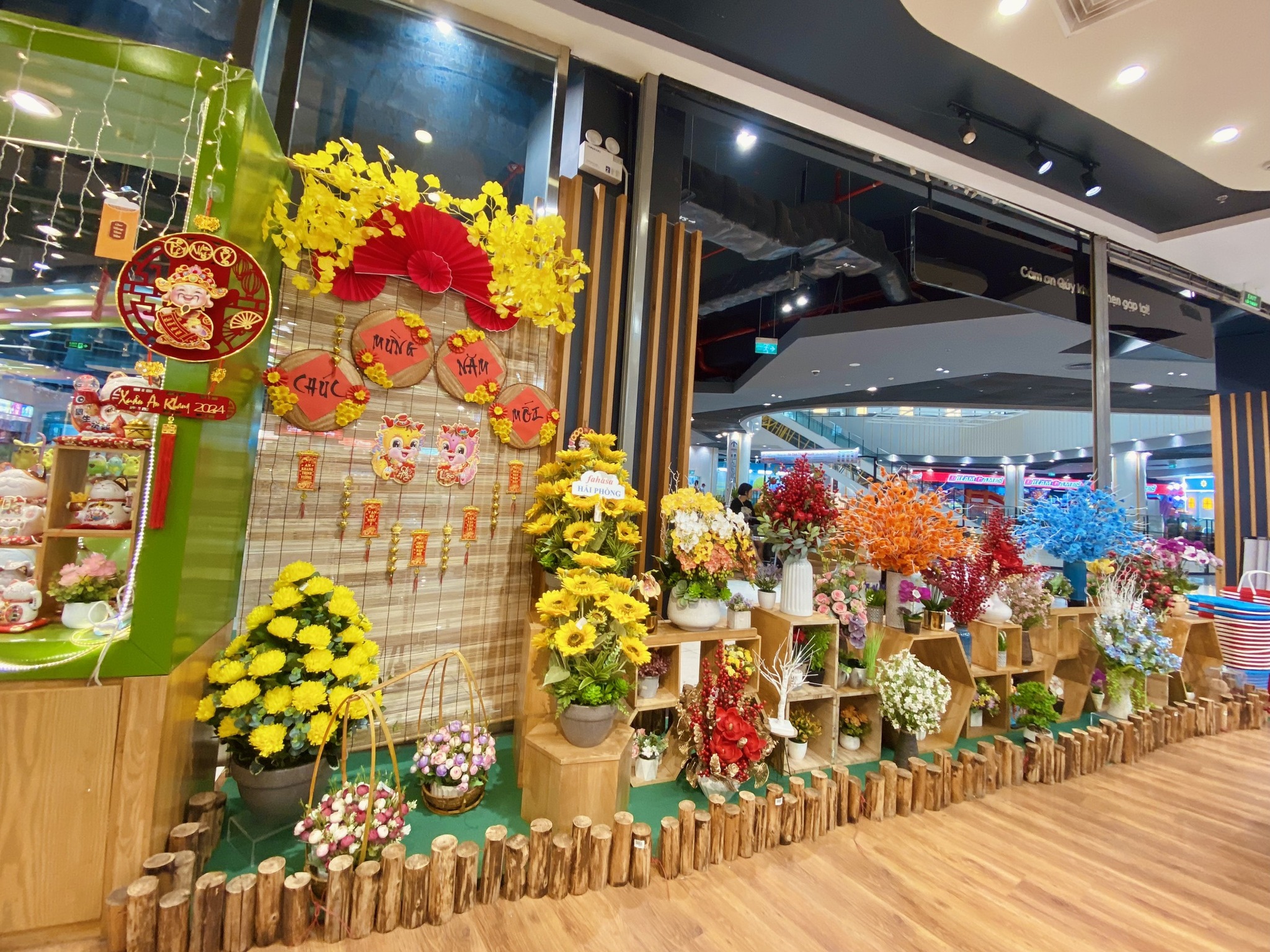
Tet decoration is the process of refreshing, arranging, and embellishing living spaces with items symbolizing spring and good fortune. Familiar Tet decoration items such as yellow apricot blossoms (hoa mai), peach blossoms (hoa đào), kumquat trees, red parallel sentences, Tet paintings, lucky money envelopes, lanterns, and other traditional accessories all contribute to the lively atmosphere of the New Year season.
Changes in how Vietnamese people “prepare their homes for the new year” across different periods reflect a blend of tradition and modernity. In the past, Tet decoration relied mainly on rustic materials and folk symbols, whereas Tet decor today is more diverse and modernized.
While some families continue to preserve traditional styles, many others prefer minimalistic or simple yet elegant decoration to match modern living spaces.
For the Vietnamese, Tet decoration is not merely aesthetic. It is also:
- A way to welcome new energy and leave behind the misfortune of the old year
- An expression of respect toward ancestors during the family reunion season
- A sign of care and hospitality when welcoming the New Year
- An essential part of creating warmth, togetherness, and the festive Tet spirit within the family
Therefore, despite changes over time, the tradition of Tet decoration remains strong and continues across generations with increasing creativity.
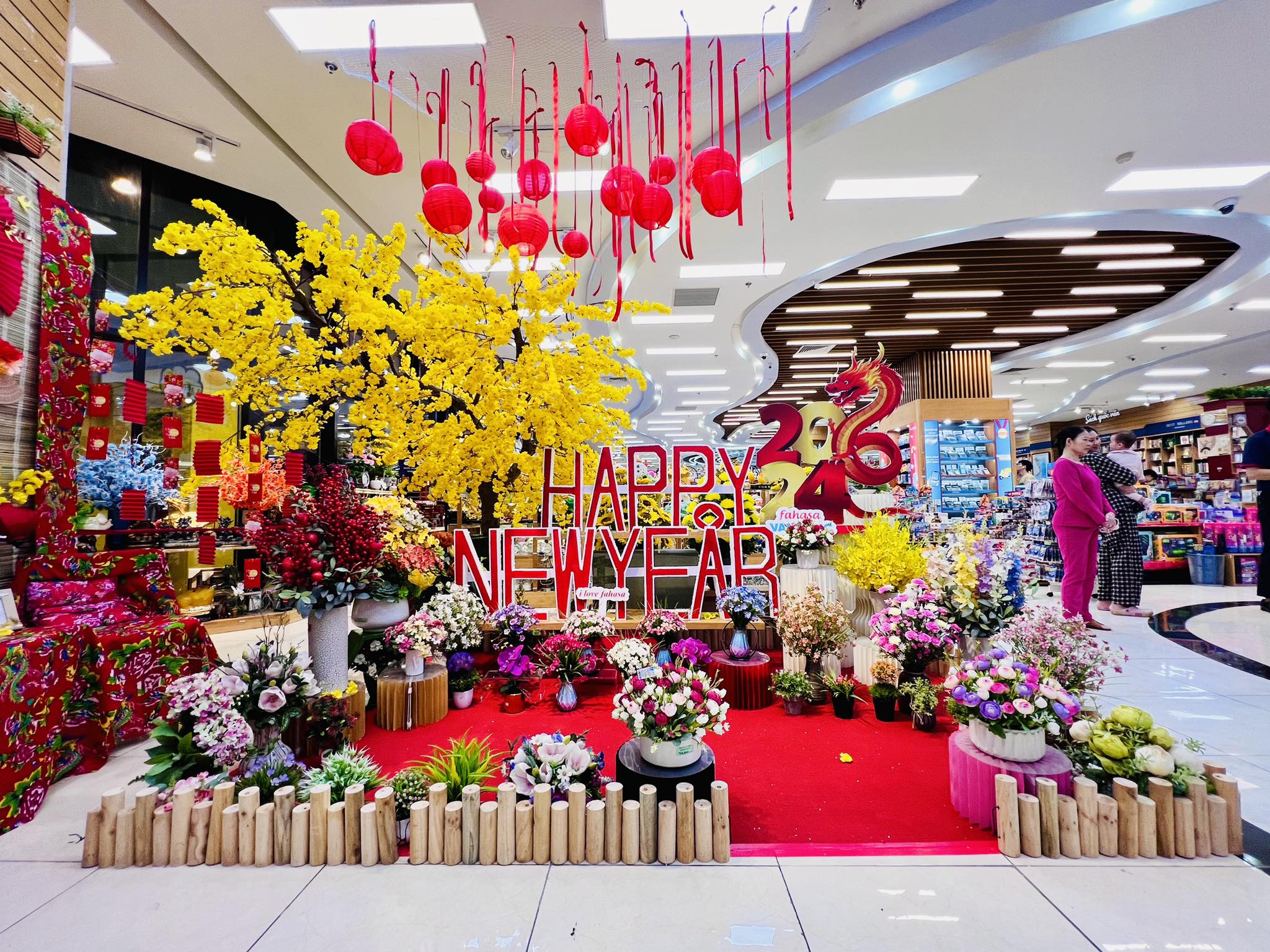
The Origin and Formation of Tet Decoration Practices
Tet decoration did not emerge randomly but developed from long-standing customs of Vietnam’s agricultural communities. Every decorative element is tied to folk beliefs, spiritual symbolism, and feng shui concepts that have existed for thousands of years.
Connected to the Custom of Cleaning and Arranging the Home
The origin of Tet decoration dates back to the tradition of cleaning the house at the end of the year. According to the concept of “sending off the old and welcoming the new,” a clean, tidy home symbolizes the removal of bad luck and the welcome of blessings.
- A neat home attracts good fortune.
- A clean space respectfully invites ancestors to return for reunion
- A bright and tidy home signals a prosperous new year
Thus, cleaning and decorating the house become essential rituals before the new year arrives.
Symbolism and Folk Beliefs
Beyond refreshing the space, Vietnamese people decorate their homes based on auspicious symbols. Colors, items, and layout choices all stem from the belief that they bring prosperity, peace, and luck to the family. Among these, the color red plays a special role, symbolizing life, luck, and the ability to ward off negativity.
The Role of Tet Decoration in Vietnamese Spiritual Life
Tet decoration holds special significance because it not only beautifies the space but also evokes cultural and emotional values.
- Evokes the feeling of reunion and the Tet atmosphere: Just a peach blossom branch, an apricot tree, or a few red hanging ornaments can awaken the spirit of Tet.
- Creates motivation and positive energy: A refreshed, vibrant space helps people feel uplifted and optimistic about the new year.
- Preserves memories and traditions: Through items such as apricot blossoms, peach blossoms, red couplets, or the five-fruit tray, younger generations learn about Tet traditions.
Expresses personal style: In 2026, Tet decoration is diverse, allowing each family to show their unique aesthetic: traditional, minimalist, modern, vintage, or themed concepts.
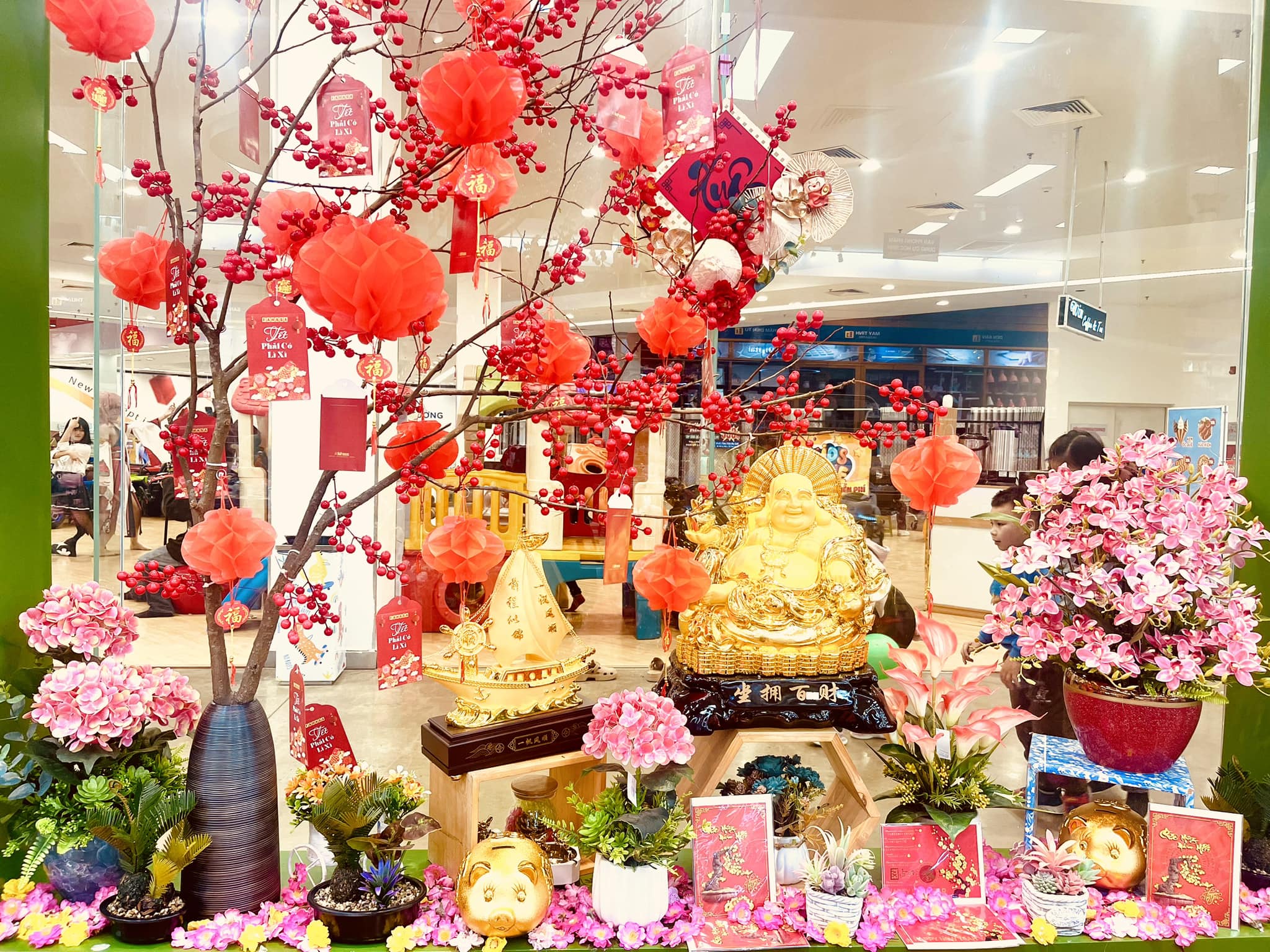
Core Elements of a Tet-Themed Space
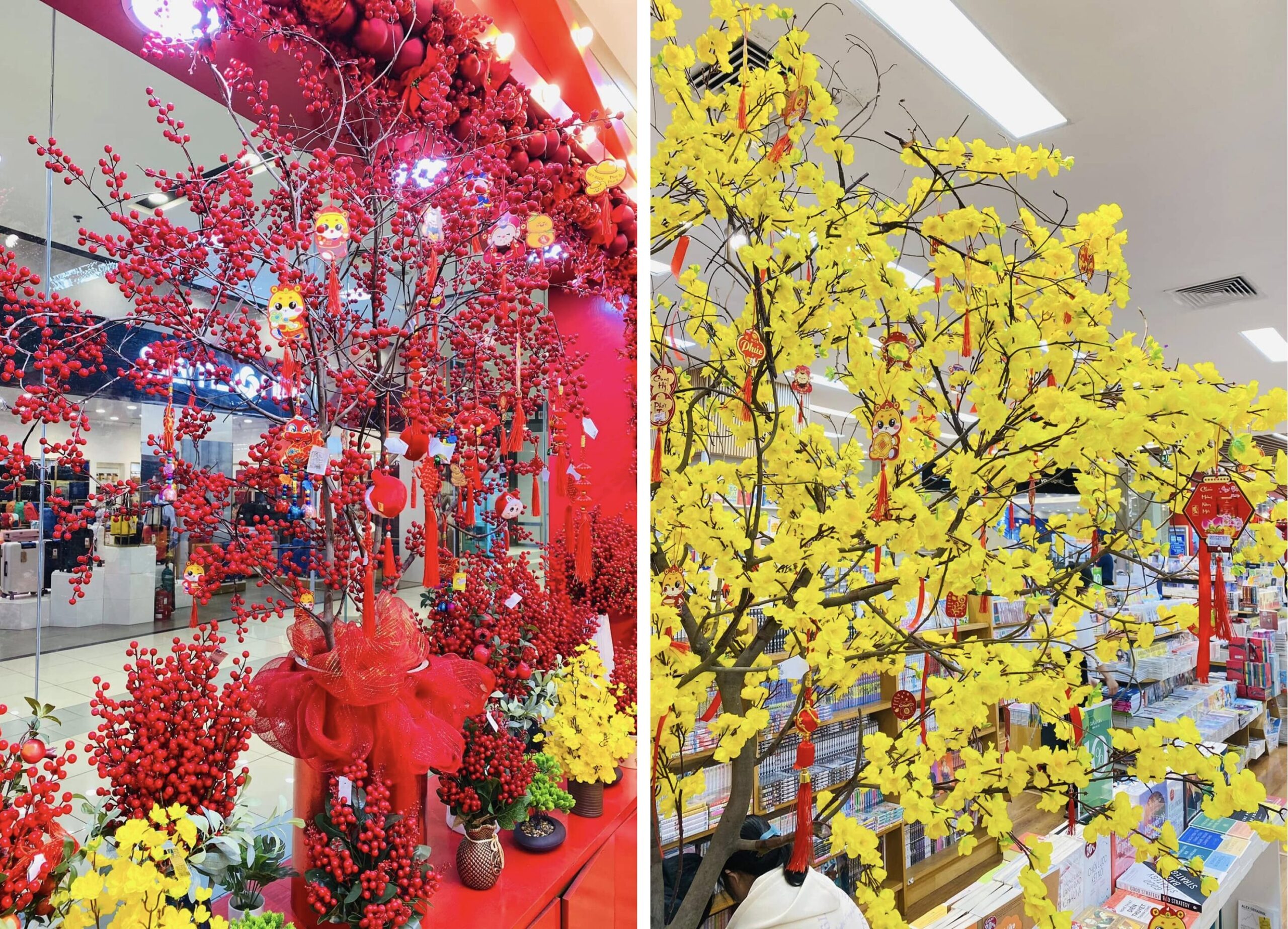
1. Tet Flowers and Plants
Apricot blossoms symbolize prosperity, peach blossoms represent peace, and kumquat trees represent wealth and abundance.
Primary Colors:
-
- Red: luck and auspiciousness
- Yellow: prosperity and richness
- Green: freshness and hope
2. Parallel Sentences and Tet Paintings
They contain blessings, wisdom, and cultural beauty.
3. Lanterns, Hanging Ornaments, and Accessories
These brighten the space and enhance the festive mood.
4. Ancestral Altar and Five-Fruit Tray
This sacred space reflects filial piety and the connection between past and present.
5. Cleanliness and Tidiness
The most essential foundation of Tet preparation.
6. Changes in Tet Decoration Across Different Periods
- In the past:
Decorations were mainly traditional items, such as handmade paper flowers, Đông Hồ paintings, handwritten parallel sentences, lamps, and rustic crafts. - In the modern era:
Industrially produced items appeared-string lights, decorative fireworks, wall decals, mascot models, and feng shui accessories. - Today:
Trends lean toward harmony between tradition and modernity with eco-friendly materials, minimalist concepts, and color-themed decor (red–yellow, green–white, pastel, etc.).
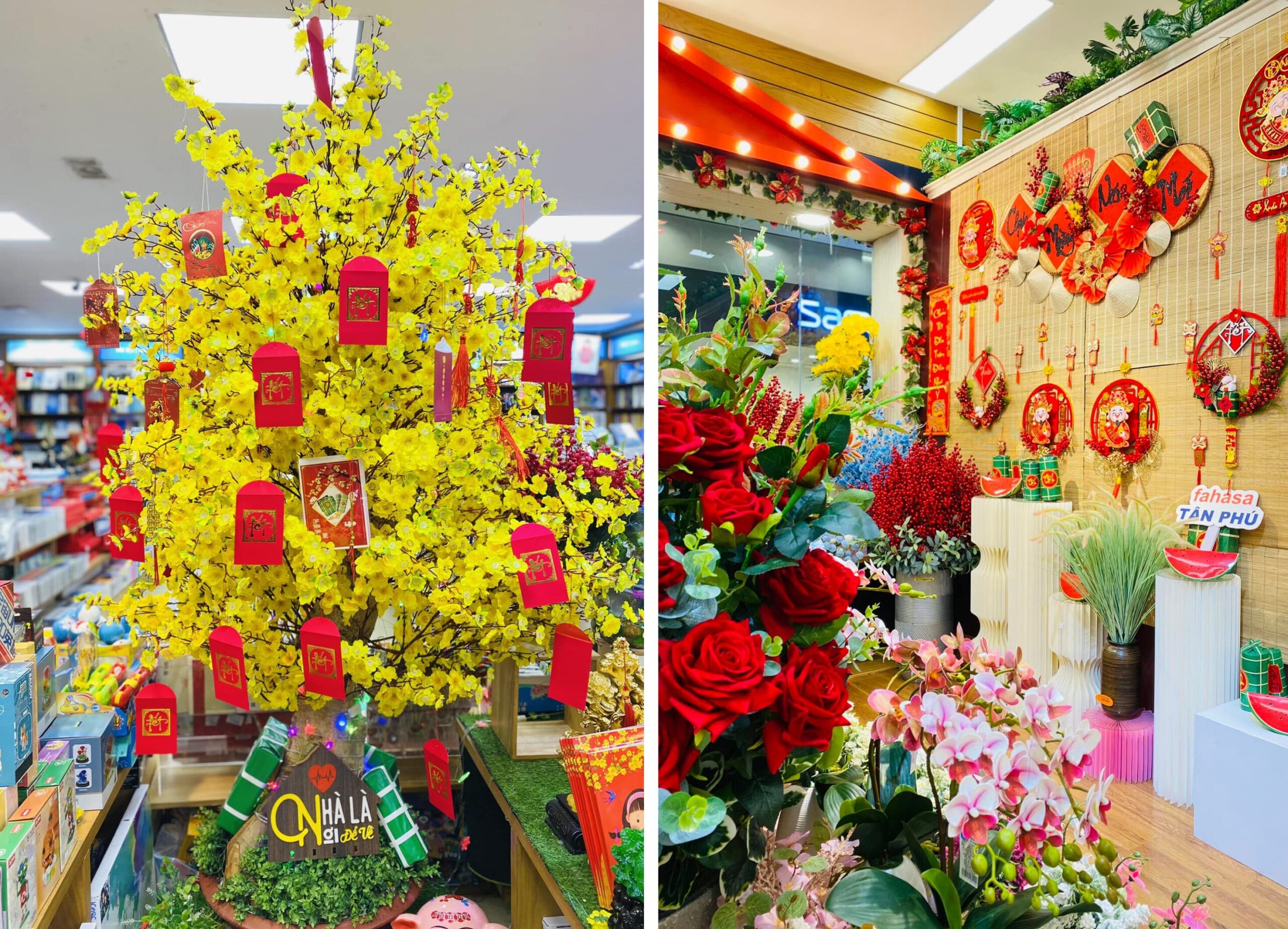
Tips for Effective Tet Decoration
- Identify a decor style that fits your space
- Avoid overusing accessories
- Choose items with feng shui meaning
- Use harmonious colors, especially red and yellow
- Keep your space clean and tidy
- Respect sacred areas such as the ancestral altar
Incorporate traditional items to preserve cultural values.
Where to Buy Tet Decorations and Tet 2026 Items at Good Prices?
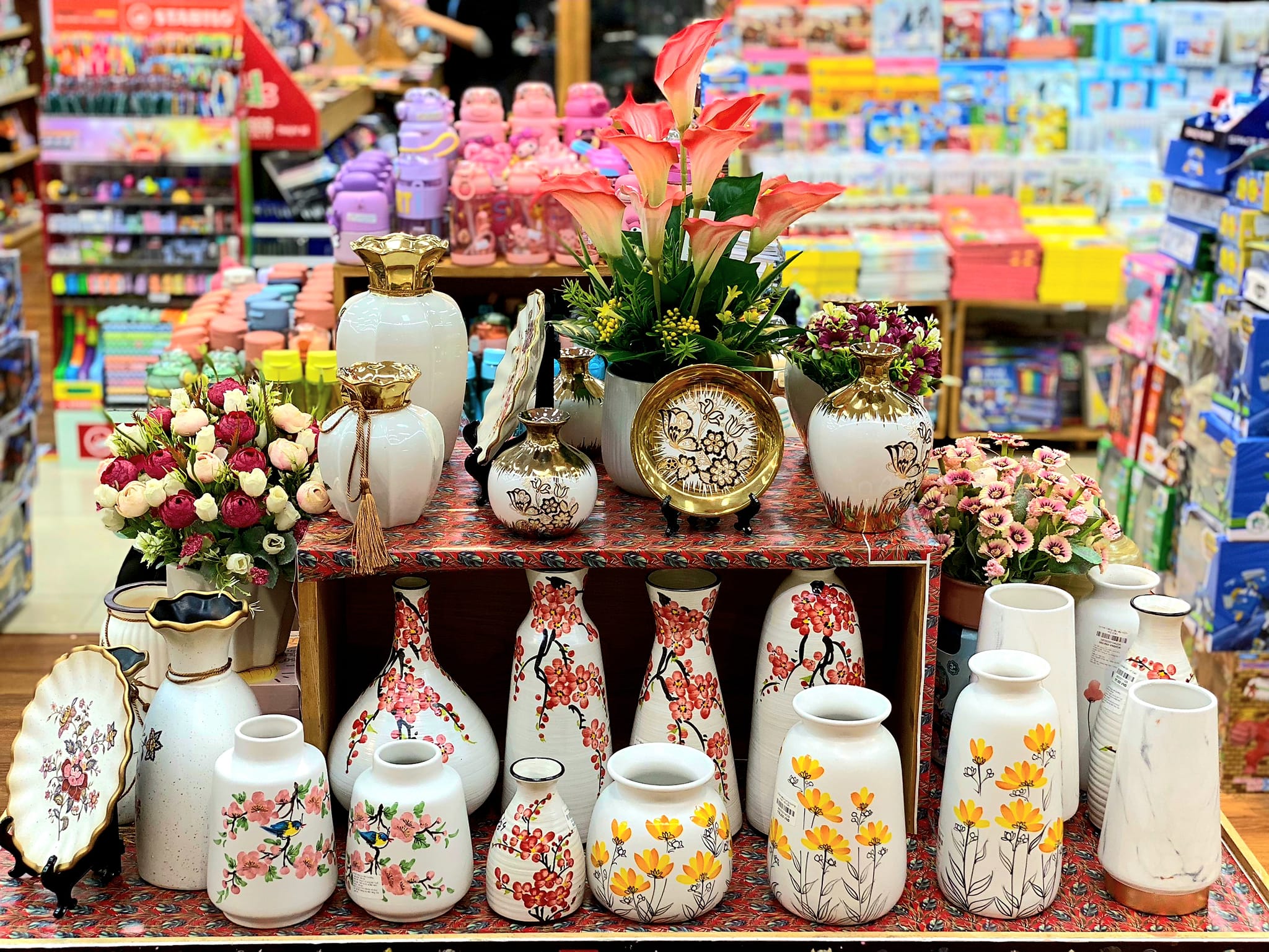
You can visit FAHASA bookstores nationwide to purchase Tet decorations, Tet gift baskets, lucky money envelopes, 2026 calendars, and more. You can also order through the fahasa.com web or app for fast delivery.
Conclusion
Tet becomes more meaningful when each person personally prepares decorations that create a warm and festive atmosphere for the new year. If you are looking for high-quality, diverse Tet decor products with strong spring vibes, FAHASA is always ready to help you create a beautiful and fulfilling Tet space.


Related posts
10 Must-Visit Places for Beautiful Tet 2026 Photos in Ho Chi Minh City
“Where should we go during Tet 2026 in Ho Chi Minh City?” is a common question among families, young people, and tourists at the beginning of the year. With pleasant weather and a wide variety of leisure options, Ho Chi Minh City is always an ideal destination for spring outings and relaxation during Tet. If you are looking for gentle, family-friendly Tet destinations in Saigon, suitable for children or international visitors, the list of 10 must-visit places for beautiful Tet 2026 photos in Ho Chi Minh City below will help you easily choose enjoyable spots for sightseeing and photography. 1....
How to Match Tet Decoration Colors Based on the Five Elements & New Trends
Color coordination based on the Five Elements and emerging decoration trends-especially for Tet-has always been a concern for many people. Join FAHASA in exploring how to match Tet decoration colors according to the Five Elements, a method that is increasingly popular today, while also discovering suggestions for choosing the main Tet color palette suitable for different spaces such as family living rooms, retail stores, or cafés. Reviewing the Principles of Tet Color Coordination Based on the Five Elements In addition to aesthetics, many families pay attention to decorating for Tet according to their elemental destiny to bring good luck and...
What Does a Tet Gift Basket Include? How to Wrap a Beautiful, Elegant, and Meaningful Tet Gift Basket at Home
A Tet gift basket is not only a meaningful New Year present but also a thoughtful way to express care and convey wishes of good fortune to the recipient. By understanding what a Tet gift basket includes and learning how to wrap a Tet gift basket neatly and beautifully, your gift will appear more polished, elegant, and impressive. Join FAHASA in exploring the article “What Does a Tet Gift Basket Include? How to Wrap a Beautiful, Elegant, and Meaningful Tet Gift Basket at Home” to prepare a thoughtful New Year gift for your loved ones. What Is a Tet Gift...